Rooted in Heritage, Guided by Compassion
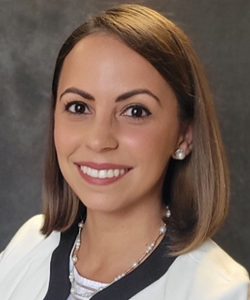 Growing up between two cultures has shaped the physician I have become. My father is Haitian, and my mother is Puerto Rican, so from an early age, I learned that culture is not simply where we come from—it influences how we communicate, how we understand illness, how we rely on family, and how we experience vulnerability. Those lessons have followed me throughout my career and have become particularly meaningful in anesthesiology, where I am often entrusted with caring for patients during some of the most vulnerable moments of their lives.
My connection to Haiti taught me the importance of service and the profound consequences that inequities in healthcare can have on individuals and communities. I vividly remember being in Port-au-Prince with my father when we were called on to translate for a group of foreign physicians providing care during a period of significant civil unrest. Patients waited for hours to be evaluated, many enduring significant discomfort simply for the opportunity to receive medical attention. I witnessed firsthand how language, resources, and access could determine whether someone received care. Those experiences instilled in me a deep sense of responsibility to use whatever skills I have to help others navigate the healthcare system.
A successful nerve block or anesthetic is only one part of what we provide. We also provide reassurance, trust, communication, and the feeling that a patient is being cared for as a person rather than simply as a diagnosis.
I experienced another side of cultural difference when, at 17, my parents sent me from Haiti to Miami for my safety and education. Although I was grateful to be safe, I was suddenly separated from my family and immersed in an environment that was unfamiliar to me in almost every way. Over time, I learned to navigate a new culture while remaining proud of where I came from. Looking back, I realize that experience taught me something that I now carry into every patient encounter: being in an unfamiliar environment can be intimidating, and small acts of understanding can make someone feel seen and safe.
My Puerto Rican heritage and Spanish language skills have given me another way to connect with my patients. Throughout my training, I have had the privilege of caring for many Spanish-speaking patients, including patients presenting for surgery, obstetric anesthesia, and regional anesthesia. I have seen how a simple conversation in a patient's preferred language can immediately change the dynamic of an encounter. A patient who initially appears anxious or guarded may relax when they realize they can ask questions, express their fears, and understand what is happening without struggling to find the right words.
Anesthesiology has made me particularly appreciative of the importance of this connection. I often meet patients only minutes before surgery, when they are frightened, uncomfortable, or uncertain about what lies ahead. In regional anesthesia and acute pain medicine, I have the opportunity to spend additional time with patients discussing their pain, explaining procedures, and understanding what matters most to them. Speaking Spanish when appropriate allows me to make these conversations more personal, but my heritage has also taught me that language is only one part of caring for someone in a way that feels respectful and individualized. I try to understand what each patient knows, what they are worried about, who they want involved in their care, and what a successful recovery means to them. When language barriers extend beyond my own abilities, I recognize the importance of using professional interpreters to ensure that every patient has the same opportunity to understand and participate in their care.
As my career has progressed from medical school to anesthesiology residency and now into regional anesthesiology and acute pain medicine, I have come to appreciate that excellent patient care extends beyond technical expertise. A successful nerve block or anesthetic is only one part of what we provide. We also provide reassurance, trust, communication, and the feeling that a patient is being cared for as a person rather than simply as a diagnosis.
My heritage has shaped the way I approach that responsibility. It has taught me to listen closely, communicate intentionally, recognize the importance of culture and language, and remain curious about the person behind the pain. Ultimately, whether I am caring for a patient from Haiti, Puerto Rico, another Latino community, or a background entirely different from my own, I hope to bring the same lesson with me into every encounter: before I can effectively treat someone's pain, I must first take the time to understand the person experiencing it.
Dr. Ashley Villard-Wrobbel is an anesthesiologist who completed her medical education, anesthesiology residency, and regional anesthesia and acute pain medicine fellowship at the Medical College of Wisconsin. She has a longstanding passion for global health and is particularly interested in expanding access to regional anesthesia through education and physician training. She looks forward to sharing the skills she has gained through her training with physicians in resource-limited settings and helping to expand the role of regional anesthesia in communities where access to pain care remains limited.