Celebrating Women's History Month 2026
Each March, Women’s History Month offers an opportunity to recognize the lasting impact of women across American history. The observance has been recognized by presidential proclamation in the United States since 1987. This month, the Diversity SIG is highlighting women across the anesthesiology and pain medicine community as they share their perspectives and experiences.
Table of Contents:
Interview with Alopi Patel, MD
Interview with Swathi Rayasam, MD
Interview with Kristin L. Schreiber, MD, PhD
Motherhood, Medicine, and the Friends We Make Along the Way by Amal Javaid, MD
Perspectives as a Female Physician in Regional Anesthesiology by Melanie Winters, MD
Interview with Alopi Patel, MD
“You can do it all, but you can’t do it all at once.”
Can you tell us your name, where you work, and your current leadership roles at your home institution and in other societies?
My name is Alopi Patel. I am an anesthesiologist and pain physician at Rutgers Health, Robert Wood Johnson Medical School in New Brunswick, NJ. I am an associate professor in the departments of Anesthesiology and Perioperative Medicine and Obstetrics, Gynecology and Reproductive Sciences. I am also the associate program director for the Pain Medicine Fellowship. I serve on several American Society of Anesthesiologists (ASA) national committees including Committee on Women Anesthesiologists. I am also a director at large for the Society of Women Innovators in Pain Management and a mentor for the Women in Neuromodulation group of the North American Neuromodulation Society.
Who has served as an inspiration in your life?
My parents and grandparents have been a guiding source of inspiration in my life. I frequently reflect back on my grandfather in particular. He faced many struggles that prevented him from becoming a physician, which was his lifelong dream. He hoped that at least one of his grandchildren would become a physician and fulfill his dream of “giving back to the world.” He did give back to the community in his own way throughout his life. My parents and grandparents are a daily reminder of the importance of hard work and discipline.
What challenges have you faced on your journey as a physician and anesthesiologist? How did you overcome them?
One of the major challenges I have faced as a pain physician and anesthesiologist is getting healthcare providers to recognize women’s health as a pressing clinical issue. As a pain physician, it was initially challenging to advocate for patients in a system that did not validate the symptoms of patients with pelvic pain. I recall many instances in which patients were called “crazy” or “hysterical.” It took several years of advocacy and education to get physicians to legitimize patient concerns. I challenged myself to educate my colleagues and other healthcare professionals to recognize this as a legitimate condition for which patients require help. I have used education and getting involved in publications, podcasting and social media to generate discourse. We have come a long way, and we still have a long way to go.
How do you celebrate Women's History Month?
I celebrate Women’s History month by recognizing that we stand on the shoulders of the women who have come before us. We would not be able to have these conversations or even practice medicine had it not been for trailblazers who have become physicians, researchers, and changemakers.
On a personal note, Women’s History Month is also a reminder of the platform I launched with Meera Kirpekar called “The Female Pain Docs.” We developed it five years ago on March 8, which is International Women’s Day. Only about 20% of pain physicians are women. We created this platform as a place to encourage discussions on women’s pain conditions and women’s health at large.
Why do you think it’s important to recognize and celebrate Women’s History Month?
It’s vital that we recognize Women’s History Month because although about 55% of matriculating MD students are women, we have not achieved equity. Equity is understanding that the lived experiences of women are different than our male counterparts. It has only been 177 years since the first woman in the United States graduated from medical school (Elizabeth Blackwell, who graduated from Geneva Medical College in New York in 1849). Additionally, it has only been 33 years since the passage of the National Institutes of Health (NIH) Revitalization Act of 1993, which required women and minorities to be included in NIH-funded clinical research unless there is a valid scientific reason for their exclusion. We cannot forget how far we have come and must pause to recognize how far we have yet to go.
Can you tell us about your research, education, or advocacy initiatives and any particular projects of interest?
My research focus is on pelvic pain and women in the workplace. Although women make up a substantial portion of today’s workforce, they often navigate systems that were not designed with their needs in mind (e.g., menstruation, pregnancy, menopause), as well as the demands of childcare and other caregiving responsibilities. While women participate widely in today’s workforce, many are leaving or reducing their workforce involvement because of multiple responsibilities that conflict with rigid workplace structures not designed to support them.
A team of us recently published a scoping review on health issues in women anesthesiologists that addresses women’s health across their career span, including menstruation, fertility, pregnancy, postpartum mood disorders, lactation, chronic pain, and menopause. This is a first-of-its-kind discussion of women’s health issues throughout their career rather than during isolated periods. Both men and women face numerous health issues that can affect their participation in the workforce. With a growing workforce shortage and demanding schedules, it is crucial that we recognize that our professions do not exist in a vacuum. Our physiological health can impact overall wellbeing and workplace retention.
Why are diversity and equity important in medicine and in regional anesthesia and pain medicine?
Diversity is important because we take care of diverse patients. It is important for patients to be able to see clinicians who understand their own lived experiences, whether based on gender, sexual orientation, race, or other factors. Medicine does not use a one-size-fits-all approach. Having human understanding makes all the difference in patient care. For example, as a physician who treats pelvic pain, I see men and women across demographic groups. However, some patients prefer to see a woman because pelvic pain is an intimate issue that many women feel male physicians cannot empathize with. Equity is important because understanding or accommodating barriers people face can significantly affect their care and retention in the workforce.
What career accomplishment makes you most proud?
I am glad to have helped make women’s health and pelvic pain increasingly recognized terms in the anesthesiology and pain medicine fields. It was an uphill battle for several years, but I see the tides turning. Almost all major pain conferences have included lectures on managing pelvic pain over the past few years. I also see more topics on women’s health being presented at major conferences including ASA and New York State Society of Anesthesiologists. This was not the norm many years ago.
What advice would you give to young physicians as they navigate their careers?
You can do it all, but you can’t do it all at once. I love being a physician, and I love being a mom. But some days are hard. Don’t give up your career or your family. Find balance in small ways, but don’t stop living and loving what you do.
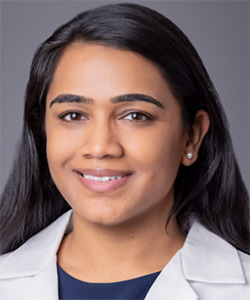 Alopi Patel, MD, is an associate professor and double board-certified anesthesiologist and interventional pain physician. She earned her medical degree at Rutgers New Jersey Medical School followed by anesthesiology residency at Mount Sinai West and Morningside in New York City. She then completed an interventional pain medicine fellowship at Mount Sinai Hospital. She is certified in lifestyle medicine and encourages the implementation of lifestyle modifications in the treatment of chronic pain conditions. Dr. Patel launched a podcast called The Hurt by The Female Pain Docs, designed to empower and educate patients regarding their health on topics within anesthesiology, pain medicine, and lifestyle medicine. As a faculty member, Dr. Patel is actively engaged in clinical research projects and has given lectures in regional and national conferences on topics in perioperative and pain medicine. She speaks English, Gujarati, and Hindi fluently and Spanish conversationally.
Interview with Swathi Rayasam, MD
“Demand for anesthesiology, regional anesthesia, and pain medicine practitioners far exceeds supply. This is causing disparities in access for patients, especially in underserved areas.”
Can you tell us your name, where you work, and your current leadership roles at ASRA Pain Medicine, your home institution, and other societies?
My name is Swathi Rayasam, and I am a PGY-3 anesthesiology resident at the University of Texas Southwestern Medical Center in Dallas, TX. I was recently elected as a chief resident at my residency program and also serve as the current chronic pain chair-elect of the ASRA Pain Medicine Resident & Fellow Committee (RFC). In addition, I am involved with several committees at the American Academy of Pain Medicine and the World Academy of Pain Medicine United.
Who has served as an inspiration in your life?
My parents are my biggest inspiration. My mom and dad are both incredibly hardworking, kind, and humble. I am inspired by their grit and determination, which I try to demonstrate as well. They have been extremely supportive of me and have always provided valuable and timely advice whenever I need it. I take inspiration from their work ethic and conscientiousness, as well as their enthusiasm for embracing new opportunities and enjoying life! I could not have accomplished what I have without my parents!
What experiences have shaped your journey as a woman in medicine, regional anesthesia, or pain medicine?
Mentorship has played a large role in my journey so far. Since medical school, I have been fortunate to interact with peers, professors, and healthcare leaders through professional societies. They generously invested their time and energy in guiding me. They offered support openly and willingly, invited me into meaningful opportunities, and created spaces for me to grow. Many of those who shaped my path and chose to advocate for me were trainees themselves. Their example has inspired me to extend the same openness, encouragement, and mentorship to those who follow.
What advice would you offer to other trainees or future physicians pursuing this field?
My biggest piece of advice would be to seek out and embrace opportunities to be more involved in the field. Becoming a part of professional organizations such as ASRA Pain Medicine will expose trainees to education, important topics, and innovation in regional anesthesia and pain medicine. In addition, trainees can join groups such as the ASRA Pain Medicine RFC to have the opportunity to become involved with leadership, mentorship, and authorship. By attending conferences and online meetings, trainees will obtain valuable opportunities to network and make connections with other future physicians and professionals across the country, which can open up many doors in their careers. The possibilities are really endless.
How do you envision contributing to a more inclusive and equitable future in anesthesiology and pain medicine?
I would like to continue to be involved with trainee engagement and advancement, especially in the area of early trainee engagement. Demand for anesthesiology, regional anesthesia, and pain medicine practitioners far exceeds supply. This is causing disparities in access for patients, especially in underserved areas.
Creating inclusive and equitable opportunities for aspiring practitioners to learn about the potential for growth and innovation available in the field would help develop a strong pipeline of trainees from varying backgrounds. Such a diverse workforce of talented practitioners, in my opinion, would be better equipped to offer more equitable and inclusive access to anesthesiology and its subspecialties to patients.
My goal is to establish initiatives focusing on medical students and residents who are early in their training, especially from areas that are historically underrepresented within these fields. By exposing trainees to education and role models at an earlier stage, we can provide a foundation upon which they can further explore regional anesthesia and pain management. I believe that these targeted initiatives can contribute to a more inclusive and equitable future in our field.
Why are diversity and equity important in medicine and in regional anesthesia and pain medicine?
There are health inequities in pediatric care. While the studies are inconsistent in how this affects perioperative care, there are outlined challenges for pediatric patients from minority groups in pain management. Furthering this area of research keeps the importance relevant and encourages opportunities to reconcile solutions that bridge inequitable gaps in care.
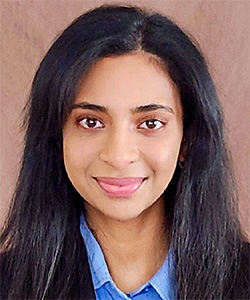 Swathi Rayasam, MD, is a PGY-3 anesthesiology resident at UT Southwestern Medical Center in Dallas, TX. She is an incoming chief resident at her residency program and serves as the current chronic pain chair-elect of the ASRA Pain Medicine Resident & Fellow Committee. She is also involved with the American Academy of Pain Medicine’s Innovation Special Interest Group and spearheaded the development of the annual event newsletters. Outside of work, she loves to travel, visit museums, read novels, and spend time with family and friends.
Interview with Kristin L. Schreiber, MD, PhD
“Women are the backbone of our community. Female physicians have tremendous capacity to collaborate, cooperate, and form synergies in the work to advance science and clinical excellence in our specialty.”
Can you tell us your name, where you work, and your current leadership roles at your home institution and in other societies?
My name is Kristin Schreiber, and I am the division chief of regional anesthesia at Stanford University in Stanford, CA. I am also the chair of the International Anesthesia Research Society (IARS) travel grant selection committee, a member of the IARS Mentored Research Award Study Section, a member of the ASRA Pain Medicine Research Committee, and a handling editor at Anesthesiology and Pain Medicine.
Who has served as an inspiration in your life?
I am inspired by pioneers of all kinds, but specifically:
- My grandpa and my husband's grandparents, who came to this country not knowing what they would get into and then worked hard to build a life.
- My parents, who built their own independent businesses from the ground up and who instilled a love of working hard in me.
- My many teachers, mentors, and colleagues, who, whether female or male, used their platforms to make sure that women were valued for their merits generally and encouraged me personally to pursue a relatively long training path, sponsoring me in opportunities for growth and advancement.
What challenges have you faced on your journey as a physician and anesthesiologist? How did you overcome them?
Balancing being a mom, a scientist, an anesthesiologist, and a partner has been my biggest challenge, sometimes leaving me feeling that I am spread too thin. I have tried to overcome this with hard work, patience, community, and self-forgiveness.
How do you celebrate Women's History Month?
I celebrate by honoring the hard work and contributions of women, especially in anesthesiology, and by connecting with the women in our community.
Why do you think it’s important to recognize and celebrate Women’s History Month?
Women are the backbone of our community. Female physicians have tremendous capacity to collaborate, cooperate, and form synergies in the work to advance science and clinical excellence in our specialty. This is especially helpful when we sometimes feel like we have to go it alone.
Can you tell us about your research, education, or advocacy initiatives and any particular projects of interest?
In the area of research, I am particularly excited about the opportunity to extend my translational clinical research program, which aims to understand which patients are at risk of developing chronic pain after surgery and why, as well as how to best prevent it in different individuals. I have been focused on building the best set of measures to employ in preoperative pain phenotyping, based on factors that seem to underlie variability in postsurgical trajectories. Ultimately, I hope to help understand which patients benefit from specific pharmacologic and behavioral interventions to reduce postsurgical pain. I also bring patients and volunteers into the quantitative sensory testing lab to investigate differences in pain processing, and how that processing is impacted by modulators of pain, including regional anesthesia, placebo, distraction, and music.
In addition, I have increasingly been getting involved in administrative roles, including as associate vice chair of Research, and vice chair of Faculty Development. I currently serve as division chief of Regional Anesthesia in the Department of Anesthesiology, Perioperative, and Pain Medicine at Stanford, which has allowed me to continue faculty development while pursuing the integration of pragmatic research with clinical care.
Why are diversity and equity important in medicine and in regional anesthesia and pain medicine?
Diversity drives a deeper sense of belonging in a department. Diversity also allows the space and freedom for multiple voices and viewpoints to be heard. This diversity of thought is essential for the provision of safe, quality care, but it also facilitates innovation and meaningful scientific inquiry. Specifically regarding regional anesthesia and pain medicine: people process pain in diverse ways, and accepting this allows us to provide more personalized, and, therefore, more effective, care to patients.
What career accomplishment makes you most proud?
Especially in the last 5-10 years, I have been honored to mentor some tremendously promising young scientists in their early strides toward independence. In addition to my personal direct mentoring relationships, I helped to establish a National Institutes of Health-funded translational pain research training grant and have been involved in the American Society of Anesthesiologists Early-Stage Anesthesia Scholars and the Foundation for Anesthesia Education and Research. I also serve on the IARS Mentored Research Award Study Section, as both member and chair.
What advice would you give to young physicians as they navigate their careers?
Keep an open mind, and actively seek out viewpoints that are different from your own. Presume competence and good intentions in those around you.
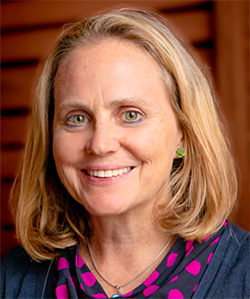 Kristin L Schreiber, MD, PhD, is a physician scientist and professor of anesthesiology at Stanford University. She currently serves as the division chief of Regional Anesthesia in the Department of Anesthesiology, Perioperative and Pain Medicine. She also has forwarded a translational research program, both working clinically to care for patients in the perioperative period and studying prediction and prevention of chronic postsurgical pain. She completed a PhD in neuroscience and pain pharmacology and is fellowship trained in regional anesthesia and biostatistics and clinical research. Her research program focuses on the development of chronic pain after surgical injury, ranging from earlier work in animal models to more recent investigations in postsurgical patients. Her clinical work caring for patients as they undergo surgery gives her both insight and opportunity to research the factors that predict acute and chronic postsurgical pain and to design personalized interventions to prevent it.
Interview with Jarna Shah, MD
“When I was a medical student, there were few visible examples of women in leadership roles in anesthesia and pain medicine. I distinctly recall attending national conferences as a trainee and scanning the stage before a session began. I remember thinking: Is there space for someone like me in this field?"
Can you tell us your name, where you work, and your current leadership roles at your home institution and in other societies?
My name is Jarna Shah. I serve as the new division chief of Pain Medicine at Saint Louis University Hospital in St. Louis, MO. I am the vice chair of the ASRA Pain Medicine Women in Regional Anesthesia and Pain Medicine Special Interest Group and serve as social media editor for Anesthesia & Analgesia.
Who has served as an inspiration in your life?
My mother is one of my greatest inspirations. She and my father immigrated to the United States from India in the 1980s, navigating a new country, culture, and professional landscape with resilience and determination. Alongside my father, she worked tirelessly, through uncertainty and significant challenges, to create opportunities for my sister and me that she herself did not have. Their work ethic shaped my understanding of responsibility, perseverance, and long-term vision. They instilled in me the belief that opportunity is not accidental. That foundation has influenced how I approach my career in medicine: with gratitude for the path that was created for me and a responsibility to expand that path for others.
What challenges have you faced on your journey so far as a physician and anesthesiologist? How did you overcome them?
When I was a medical student, there were few visible examples of women in leadership roles in anesthesia and pain medicine. I distinctly recall attending national conferences as a trainee and scanning the stage before a session began. I remember thinking: Is there space for someone like me in this field? I was fortunate to have program directors and mentors who saw potential and encouraged me to pursue pain medicine and leadership. Their sponsorship mattered. They offered advice and actively opened doors, and they continue to be some of my closest friends and trusted colleagues. I rely on my partner, family, friends, and colleagues on the rough days. I am fortunate and grateful for their support.
How do you celebrate Women's History Month?
I work to highlight the work of my women colleagues, trainees, and mentors, whether it is through mentorship conversations, nominating someone for a speaking opportunity or using professional platforms to showcase their scholarship and skills. In leadership spaces, celebration also means advocacy. It is our responsibility to ensure women are present in rooms where decisions are made and that their expertise is recognized as authority, not the exception.
Why do you think it’s important to recognize and celebrate Women’s History Month?
Women’s History Month is particularly important in anesthesiology and pain medicine, where leadership has historically been concentrated among a narrow demographic. With women comprising approximately 37% of academic anesthesiology faculty members and research citing decreasing numbers of women entering anesthesia residencies, we have to ask what we can do to support our current colleagues and how we can continue to inspire new generations to join our field. Recognizing Women’s History Month creates a space and time for reflection and intention, to elevate those perspectives, strengthen mentorship pipelines, and ensure that the future leadership of anesthesia and pain medicine is broader, more representative, and ultimately more effective.
There is also a clinical dimension that is deeply personal to me. We know that women’s pain is frequently undertreated and, at times, not taken as seriously as it should be. Delays in diagnosis and disparities in access to treatment and advanced pain therapies remain. In a field devoted to alleviating suffering, that should concern all of us. Whoever designs studies, writes guidelines, and takes on leadership roles influences how pain is defined, measured, and managed.
Can you tell us about your research, education, or advocacy initiatives and any particular projects of interest?
My clinical initiatives focus on improving outcomes for patients dealing with complex pain through interventional and advanced procedural techniques, including neuromodulation. A particular area of research interest for me is treating women’s chronic and obstetric-related pain. I also recently completed an implementation sciences grant focused on optimizing perioperative nutrition for patients undergoing elective surgery, with the goal of addressing modifiable risk factors that affect recovery and postoperative outcomes. At my core, I am a clinician educator. Training and mentoring the next generation of physicians and equipping them with technical skills, bedside manner, and sound clinical judgment is one of the most meaningful aspects of my work.
Why are diversity and equity important in medicine and in regional anesthesia and pain medicine?
Diversity in medicine is essential because the patients we serve are diverse. Their healthcare experiences and outcomes depend on how well we understand and respond to their needs and concerns. Every clinician and provider brings a unique lens shaped by our own lived experience and training. When we elevate a broader range of voices in clinics, operating rooms, and hospitals, we ask better questions and develop more equitable treatment pathways. Diversity is not symbolic. It directly improves innovation, trust, and patient outcomes.
What career accomplishment makes you most proud?
I am most proud of the students, residents, and fellows I have mentored and trained. Seeing trainees grow into thoughtful clinicians who approach pain management with both rigor and compassion is deeply meaningful. They are incredible people, and I am so proud to have watched them blossom and continue to be successful.
What advice would you give to young physicians as they navigate their careers?
My advice to young physicians is to seek out and cultivate mentors and colleagues in different disciplines. The most complex challenges in anesthesia and pain medicine cannot be solved in silos. They require collaborative, interdisciplinary thinking and a willingness to learn from perspectives outside of our own.
Equally important is humility. I often tell my trainees after a difficult case or a challenging clinical day: medicine will always humble us. No matter how experienced we become, there will be moments that test our knowledge, judgment, and resilience. Approaching those moments with curiosity is what makes us better clinicians and leaders.
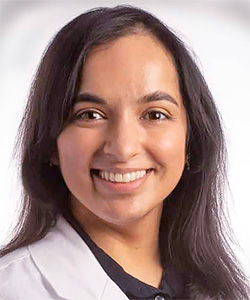 Jarna Shah, MD, received her bachelor of arts in biology from the University of Illinois at Chicago and her medical degree at the University of Illinois at Chicago College of Medicine. She completed her fellowship in interventional pain management at Johns Hopkins Hospital in Baltimore, MD. Dr. Shah serves as the division chief of Pain Medicine at Saint Louis University Hospital in St. Louis, MO. She primarily focuses on multimodal pain management using minimally invasive procedures, spinal cord stimulation, and vertebral augmentation. Her specific research interests include neuromodulation, peripheral nerve stimulation, obstetric-related chronic pain, and medical education.
Motherhood, Medicine, and the Friends We Make Along the Way
By Amal Javaid, MD
147/89. Those numbers shocked me as I lay in the labor and delivery triage room, but then again, they didn’t.
The last few weeks of pregnancy had seemed increasingly difficult as the days progressed. Soon after my 34-week appointment, I had gotten persistently more swollen, the weight of my fluid retention and pregnant uterus crushing my ankles, rendering me unable to walk without intense pain. Yet, I persisted, because I had to. I couldn't afford to take longer than the eight weeks reserved for my maternity leave. I resorted to taking an Uber to work daily, because walking 6 blocks to the hospital seemed like the most impossible task. I begged circulating nurses and surgical residents to transport patients for me, performed IVs and arterial lines sitting down, and religiously took my blood pressure between cases, wondering if the headaches I was experiencing were from lack of sleep, developing preeclampsia, or just my body giving up. Yet my blood pressure remained surprisingly normal till my external cephalic version appointment on 12/5/2025, where I was ruled in for preeclampsia and was advised to deliver without any more delay.
After a somewhat urgent C-section due to developing preeclampsia, aggressive postoperative diuresis, and escalating blood pressure management, I went home two days later with the most beautiful thing I had ever held or laid eyes on, my baby, my daughter, Sonia.
So often, in medicine and in anesthesiology, we expect (and suffer from) perfectionism: the perfect block, the perfect arterial line placement, the perfect wire arrangement, the perfectly attached syringe label, the perfect “train track” anesthetic.
Then began a several-week-long struggle with postpartum preeclampsia management and an early-term baby that refused to gain weight. All of a sudden, without having any sense of where the time had gone, I was promptly back at work as a CA-3 anesthesiology resident.
Somewhere in the midst of all this, my husband matched for his three-year fellowship in a state far, far away, while I had matched for a fellowship in my home city, leaving us scratching our heads for childcare and how on earth we were going to make this work.
So often, in medicine and in anesthesiology, we expect (and suffer from) perfectionism: the perfect block, the perfect arterial line placement, the perfect wire arrangement, the perfectly attached syringe label, the perfect “train track” anesthetic. Yet when I came back from maternity leave, despite wanting to be perfect, I found myself disappointingly sloppy. The standards of anesthesia I had set for myself and, more importantly, my patients, I found impossible to meet. I used to pride myself on having my operating room setup be worthy of a feature on Architectural Digest, but I found myself unable to maintain the standards I once thought were the only way to administer anesthesia. Yet I persisted, struggling day to day, until I could get back to the professional standards I wanted to meet, starting to define and accept a new normal.
This was a challenging ask because the demands of motherhood clashed directly with what I hoped to accomplish professionally. My sleep deficit grew daily, my Oura ring commended me on my resilience, and the lack of post-call days from motherhood had me extremely thankful that residency came with post-call days.
My schedule was dictated by pump breaks, and these were extraordinarily disruptive to my workflow. Sometimes, I missed the end of cases and would return to the operating room not being fully set for my next case; other times, I would miss the middle of cases, with my return coinciding with the case wrapping up, as I scrambled to be efficient. I found myself always rushing to do things or catch up. To top it off, I often felt uneasy asking my attendings to give me breaks so I could go pump, the feeling of inconveniencing others for my own needs weighing heavily on me. I found myself starting every sentence with “sorry,” offering lengthy explanations for the breaks I needed.
“Sorry, but I have to pump at 10 am. I pumped before the case started, so you only have to give me one pump break till lunch.”
“Sorry, just a reminder, wanted to check if you’re able to still get me out to pump.”
“Sorry, just waiting for the elevator. I’ll be back as soon as I’m able.” As I felt myself internally dying for exceeding the time I had mentally given myself to pump, pushing my body to work faster, move faster, do more, do it all, yet somehow always behind.
I breastfed and pumped for my baby for 8.5 months, going into a few months of fellowship, not quite meeting my goal of 1 year as I had hoped. Whereas previously I would have been disappointed in falling short of expectations, my mindset was changing to appreciate my successes, instead of dwelling on what I didn't accomplish.
Before becoming a mother, all I knew was that, as a field, medicine had a long way to go in supporting trainees as parents. We indeed have a long way to go in supporting pregnant trainees, minimizing work hours, labor-intensive call shifts, and supporting new parents. However, on a positive note, as I reflect on the past year and a half, my experience as a trainee, functionally single parent, and lactating individual has been nothing but supportive and positive. Nurses rallied around me, encouraging me to speak up, sharing their lactation spaces, tips, and tricks. Attendings provided breaks and support, no questions asked, even when I felt uneasy, and sent me home early so I could spend time with my baby and relieve my nanny. My co-resident, Kat, who underwent pregnancy, pumping, and raising her baby with me, was a constant sounding board and source of emotional support, and my co-fellow Andrew, who babysat my daughter while I studied for my board exams, helped unpack half my belongings when I had to move apartments by myself in the middle of fellowship year. My friend Iram, herself an extremely busy general surgery resident, routinely dropped everything to help me when I needed a literal extra hand. My friends took turns to come sit with me, bring me dinner when I was too exhausted to cook, and watch my baby so I could shower and eat. And my husband has flown back every other weekend to see me and relieve me of childcare duties, while he himself has not had a single weekend off since his fellowship started in July. The support has been endless, and the sense of community has been heartwarming. They say it takes a village, and a village it has taken.
I am far from the first trainee to have a baby, and I am far from the first trainee to be long-distance with my partner while raising one. This year has taught me the power of community and the resilience parenthood can instill in someone. I find strength in little things every day, and try to bring the strength my baby gives me to my patients, and the resilience my patients show, to my parenting.
 Amal Javaid, MD, is a fellow in regional anesthesiology and acute pain medicine at the Hospital for Special Surgery in New York, NY. In her free time, she enjoys spending time with her family and friends, playing tennis, and trying different restaurants throughout the city.
Perspectives as a Female Physician in Regional Anesthesiology
By Melanie Winters, MD
Training in anesthesiology, specifically regional anesthesia, has required precision, patience, and confidence. My path through residency at Brigham and Women's Hospital and fellowship at Hospital for Special Surgery has been shaped not only by clinical rigor but also by the women who have demonstrated excellence as female physicians.
The first anesthesiologist I shadowed was a woman. Long before I understood the intricacies of volatile agents or nerve block anatomy, I noticed the way she approached her patients. She was deliberate and calm. She knelt to make eye contact in pre-op, asked thoughtful questions about fears and prior experiences, and explained complex physiology in a language that restored a sense of ease. I deeply appreciated the thought and care she gave each patient. In her, I saw that anesthesiology was not simply about pharmacology or airway management, but it was also about building rapport with patients during their most vulnerable moments. After observing a woman embody this role with authority and compassion, I was determined to become a similar physician.
My hope is that when trainees see women confidently performing complex nerve blocks, leading acute pain services, and publishing research, they are inspired by what is possible.
During residency at Brigham and Women’s, I trained in a department steeped in academic excellence. I encountered women leading complex cases, publishing impactful research, and mentoring trainees with intention. Even in a progressive institution, gender still shaped my experience. In certain high-acuity cases, I was often aware of being one of few women in the operating room. Early on, I felt pressure to project certainty before I felt it internally. With time, I realized that the skills I developed, such as meticulous preparation, careful listening, collaborative communications, were immense strengths of my practice. I improved my teamwork skills, patient counseling, and technical proficiency.
As a fellow at the Hospital for Special Surgery, I am immersed in the evolving landscape of regional anesthesia. I am inspired by its potential to transform perioperative care by personalizing patient care, optimizing pain management, and accelerating recovery. This year has provided opportunities to refine my technical skills and shape the culture of the subspecialty. My hope is that when trainees see women confidently performing complex nerve blocks, leading acute pain services, and publishing research, they are inspired by what is possible.
Mentorship has been paramount to my growth. Female mentors showed me different styles of leadership. They modeled how to claim space in academic discussions, how to negotiate for opportunities, and how to recover from setbacks without internalizing them as personal inadequacies. Equally important were mentors of all genders who invested in my development. Those who expected excellence and provided direct, constructive feedback provided the most transformative guidance.
While deeply rewarding, this journey has not been without its challenges. I have been mistaken for someone other than a physician, had my decisions questioned more quickly, and felt the need to repeatedly prove competence. In procedural specialties, confidence can be interpreted differently depending on who expresses it. These experiences have sharpened my self-awareness and resilience. In the future, I hope to create an operating room environment where composure, curiosity, and collaboration are valued as highly as technical speed. By fostering this culture, I hope to ensure that every trainee who follows feels not only capable in their role, but certain they are an integral member of the team.
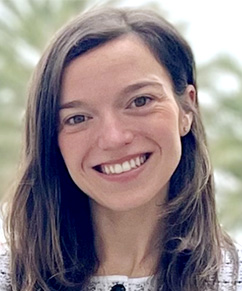 Melanie Winters, MD, is currently a fellow in regional anesthesiology and acute pain medicine at Hospital for Special Surgery in New York, NY. She completed her anesthesiology residency at Brigham and Women's Hospital in 2025. Following graduation, she will be joining a private practice group in New Jersey, her home state. Outside of the hospital, she enjoys running, trying new restaurants, and spending quality time with friends and family.