The Regional and Pain Fellowship Advantage: Global Perspectives
Cite as: Grzybowski J, Sharma V. The regional and pain fellowship advantage: global perspectives. ASRA Pain Medicine News 2026;51. https://doi.org/10.52211/asra110126.007.

The landscape of anesthesiology employment opportunities and fellowship application and enrollment processes has changed substantially since the COVID-19 pandemic introduced global disruption and ushered in an era of predominantly virtual interviews and hybrid education. In subsequent years, the anesthesiology job market has prospered, while many fellowship program directors have had more difficulty recruiting. This article explores recent fellowship trends in Regional and Acute Pain Medicine (RAAPM) and Pain Medicine in North America and takes a deeper dive into global access to and prevalence of post-residency training.
The RAAPM fellowship directors group launched their inaugural match cycle in conjunction with the San Francisco (SF) Match in January 2023, with approximately 60 fellowship programs participating in the centralized application system for applicants expecting to enter fellowship in the 2024-2025 academic year. The primary goal of the match was to create a common timeline to relieve administrative burden on both the applicants and the programs, as programs could now offer a wider interview window and applicants would not be forced into early choices.1
The fourth and most recent iteration of the match, completed in June 2026, included 161 positions offered by 54 different programs and saw 67 of 70 rank-list-submitting applicants match. All 67 matched candidates placed within their top three ranked programs, with 99% placing within their top two. A downward trend in both program participation and applicant numbers is evident since the 2024 match, when 62 programs offered 174 positions and 87 candidates matched (82% matching into their first choice). The match has allowed applicants to apply broadly and complete all interviews before rank-list submission, resulting in a high rate of applicants matching with their top-choice programs. However, the relative imbalance between more positions available than participating candidates has added pressure on program directors and administrators. The 2026 match resulted in 40 of 54 programs having at least one vacant position following match completion and 21 programs having zero filled positions. Further categorized, the fill rates for positions offered by ACGME programs and non-ACGME programs were 49% and 20%, respectively.
Pain medicine fellowship originated within anesthesiology in 1993, with the American Board of Anesthesiology serving as the first examining body for pain medicine fellowship programs in the United States. Over the years, the field evolved into a multidisciplinary specialty with physical medicine and rehabilitation, psychiatry, neurology, and emergency medicine joining the American Board of Medical Specialties certification process. Historically, pain medicine was considered one of the most competitive subspecialty fellowships in anesthesiology. According to Electronic Residency Application Service data from 2019, 68% of applicants in the pain fellowship match were from anesthesiology. A major inflection point came in 2024, when anesthesiology-based applicants fell to 24%. This shift marked a significant change in the pain fellowship landscape, as anesthesiology gradually relinquished its long-standing dominance in a specialty it had led for decades.
The decline in anesthesiology applicants likely contributed to a difficult match for pain programs in 2024, where the number of unfilled programs rose sharply from 12 in 2023 to 35 in 2024, while unfilled positions increased from 16 to 61.2,3 The 2024 academic year also saw a discernible emergence of applicants from specialties such as emergency medicine, whose representation more than doubled the following year, thus rapidly filling the void left by declining anesthesiology participation. The trend has continued into the 2026 match with further decline in anesthesiology applicants, and we have yet to see how the 2027 match unfolds later this year.
Several factors likely contribute to this trend. While the anesthesiology job market in the United States is competitive and practice environments are streamlined, many graduating anesthesiology residents feel less inclined to pursue a field associated with administrative complexities, such as prior authorizations, billing challenges, staffing concerns, and variable payer models when they have a choice. Whether this represents a temporary fluctuation or a lasting transition toward a multidisciplinary pain medicine workforce less centered on anesthesiology remains to be seen.
Regardless of a focus in RAAPM or Pain Medicine, subspecialty fellowship training still offers significant advantages, often overlooked given nationwide workforce shortages and competitive sign-on bonuses. In addition to advanced clinical expertise through additional didactics, sponsorship, teaching, and mentorship opportunities, fellowship-trained anesthesiologists, in conjunction with ASRA Pain Medicine, have access to numerous resources to advance their careers and the specialty as a whole. Fellow Success Kits offer clinical guidelines, access to RAPM and ASRA Pain Medicine News, and practice management guidelines. The ASRA Mentor Match program, along with over a dozen committees, offers collaborative opportunities to advance ASRA Pain Medicine’s mission while networking and becoming a leader in the society. The new ASRA Edge provides centralized, on-demand courses and allows you to earn continuing medical education credits while learning from experts in regional anesthesia and pain medicine.
The remainder of this article explores fellowship program availability, structure, enrollment trends, and other aspects of clinical and practice management through the international lens of anesthesiologists affiliated with ASRA Pain Medicine’s sister societies.
The following are questions/responses posed to ASRA Pain Medicine News sister society correspondents:
How prevalent are fellowship positions, and where are they available? (Which regions or countries have fellowship programs vs those that don’t?)

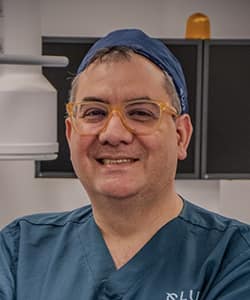
LASRA Maria Paula Bernal Vargas, MD, and Carlos Eduardo Restrepo-Garces, MD: In Latin America, pain medicine training is heterogeneous: Some countries offer it as a standalone residency program, while others provide it through pain fellowships within specialties such as anesthesiology. These differing training pathways have distinct objectives and result in significant variability in education and competency in interventional pain management. In Colombia, formal pain fellowship programs for anesthesiologists are limited to five universities, all located in the country’s two largest cities. Only two programs serve non-anesthesiologists. In Mexico, 18 programs serve 132 million people. Centralized distribution restricts access to comprehensive pain care and interventional pain services for a substantial portion of the population.


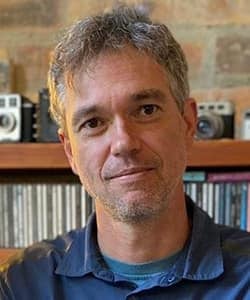
AFSRA Moses Siaw-Frimpong, MD, Wilson Ng’ang’a, MD, and Francois Retief, MBChB: In Africa, formal fellowships in regional anesthesia and pain are rare and limited by resource constraints. Currently, an active regional anesthesia fellowship program has two positions at Kenyatta National Hospital in Nairobi, Kenya, and a World Federation of Societies of Anaesthesiologists (WFSA) fellowship program at the Komfo Anokye Teaching Hospital in Kumasi, Ghana. A 2019 fellowship project in Kigali, Rwanda, supported by the Canadian Anesthesiologists’ Society and the American Society of Anesthesiologists, was abandoned because of a shortage of local trainers and limited resources.4 New fellowship programs are being planned in Kigali and Cape Town, South Africa. Tunisia has a diploma exam in regional anesthesia, but this is not currently linked to an official training program.
For chronic pain, Egypt has a board exam requiring 1 year of training in an accredited hospital with weekly lectures and rotations in acute pain, chronic pain, and cancer and interventional pain management. The University of Cape Town offers a one-year blended interdisciplinary diploma in pain management for specialists, general practitioners, nurses, and allied healthcare professionals.5
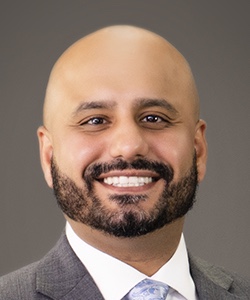

CAS Puneet Sayal, MD and Paul Tumber, MD: There are chronic pain fellowship positions available at several academic centers in Ontario. The largest program, offering the most diverse training and educational experience, is at the University Health Network in Toronto. No private or unaccredited pain fellowship programs exist.


AOSRA-PM Mohammed Azam Danish, MD and Jagannathan Balavenkatasubramanian, MD: Regional anaesthesia (RA) fellowship training in India is currently offered through the Academy of Regional Anaesthesia (AORA), which accredits 27 fellowship centres across the country. There are 48 fellowship positions available annually, including 47 regional anaesthesia fellowship seats and 1 dedicated paediatric regional anaesthesia fellowship seat. Programs are distributed across multiple geographic regions of India, although availability remains concentrated in tertiary-care teaching hospitals with established ultrasound-guided RA services.
What is the length of training? What are typical rotations or different clinical experiences fellowship trainees are exposed to?
LASRA: Pain fellowship training in Colombia lasts 1 to 1.5 years. Core rotations include acute and chronic pain management, palliative care, and interventional pain procedures. Some universities also incorporate clinical rotations in related specialties, such as physical medicine and rehabilitation, neurology, and rheumatology, among others. In addition, they include elective and research rotations. Those programs are more similar to pain medicine residency programs from Canada. International academic exchange agreements are available as part of the training programs.
AFSRA: The RA fellowship in Nairobi was introduced in January 2026 and lasts 12 months, with rotations to different operating rooms, including orthopedics, obstetrics and gynecology, general surgery, and plastic and reconstructive surgery, etc. Fellows serve as members of the acute pain service, evaluate inpatients for blocks and epidural top-ups, and prescribe multimodal analgesic regimens.
The WFSA fellowship in Kumasi is a 3-month program with exposure to upper limb blocks, lower limb blocks, truncal blocks, and some chronic pain interventions. Trainees learn ultrasound-guided blocks in the context of orthopaedic, gynecologic, and general surgery.
CAS: The standard length of training is 12 months, with the option of a shorter 6-month term and the possibility of extending to 18 months for research or expansion of clinical skill sets (eg, neuromodulation, cancer pain). Typical rotations include subspecialty pain areas such as musculoskeletal pain/physiatry, neuromodulation, acute postoperative pain, transitional pain, cancer pain, pelvic pain, Ehlers-Danlos syndrome, and palliative care.
AOSRA-PM: The AORA Fellowship is a one-year, full-time, competency-based training program. Training incorporates landmark-guided, peripheral nerve stimulator-guided, and ultrasound-guided techniques.
Fellows receive structured exposure to:
- Ultrasound-guided peripheral nerve blocks
- Neuraxial anaesthesia
- Acute perioperative pain management
- Applied sonoanatomy and cadaveric anatomy
- Regional anaesthesia for orthopaedic, trauma, thoracic, breast, abdominal, vascular, and ambulatory surgery
- Research methodology and evidence-based practice
- Simulation-based training
- Teaching and academic activities
Is the entire fellowship supervised, or are there opportunities to perform procedures independently, moonlight, take call, or personally perform/medically direct general ORs?
LASRA: Pain fellowship training is supervised 70%–90% of the time. Hospital rounds and outpatient clinics are probably the most common settings for non-supervised time. However, there were opportunities to perform procedures without direct faculty supervision, granting autonomy in clinical decision-making in specific cases. The fellow may work as an anesthesiologist while completing fellowship training.
AFSRA: The initial phases of the fellowship are fully supervised with significant time spent practicing ultrasound skills on models. As the trainees gain enough experience, they are usually integrated into the normal workflow and eventually have the opportunity to function independently. At the Kenyatta National Hospital, the regional anaesthesia fellows are paired with a qualified regional anaesthesia specialist, especially in the first 3 months of their rotations. Subsequently, on gaining substantial hands-on experience, they are allowed to manage cases on their own, though still paired with a regional anaesthesia subspecialist.
The fellows don’t do calls or after-hours shifts. The fellows also participate in pain management ward rounds and consultations. There is a training curriculum that is required by the National Medical Licensing Council. We have a list of relevant lectures in the curriculum. The fellows prepare the presentations and are supervised by the regional anaesthesia specialists.
CAS: Chronic pain fellows are supervised by staff for all procedures, with progressive autonomy throughout the fellowship year. Fellows take chronic pain call in week-long blocks approximately once every 6–8 weeks. If desired, fellows may spend time in the operating room for skills maintenance, personally providing anesthetic care (Only select fellows are allowed, and it is based on their prior skill level in anesthesia).
AOSRA-PM: Training follows a graduated competency-based model using entrustable professional activities.
Fellows initially perform procedures under direct supervision and progressively advance toward independent practice as competency is demonstrated. By completion of training, fellows are expected to achieve level III–IV competency, allowing performance under minimal supervision or independently for designated procedures.
Policies on call duties, independent operating room responsibilities, and moonlighting vary by institution.
What is a typical day like when practicing regional anesthesia at your primary work facility? What is the average number of daily procedures? Which are the most common procedures/blocks performed?
LASRA: We work at a university-affiliated hospital where regional anesthesia is used daily because of the broad range of surgical services, including orthopedic surgery, thoracic surgery, neurosurgery, cardiovascular surgery, and general surgery, all of which require regional anesthesia or analgesic techniques. The most frequently performed blocks are upper- and lower-extremity blocks and truncal blocks. A gap exists between single-shot procedures and continuous catheter procedures.
Epidural analgesia is commonly offered for major open thoracic and abdominal procedures. Unfortunately, there are not enough block rooms for regional anesthesia procedures. Notably, only two countries in Latin America have proper regional anesthesia fellowship programs (Mexico and Chile).
AFSRA: Around four cases are done per day per fellow per theatre at Kenyatta Hospital. However, the regional anaesthesia fellow is at liberty to move into other operating rooms to assist in the performance of blocks, especially in theatres running under a non-physician anaesthetist. The fellow basically runs his/her list daily, managing the entire anaesthesia plan for the case. Common blocks are different brachial plexus blocks, neuraxial and erector spinae plane (ESP) blocks, transverse abdominis plane (TAP), quadratus lumborum, and rectus sheath blocks, pectoralis (PEC) blocks and some femoral, adductor canal, and sciatic blocks. In Kumasi, common blocks performed are supraclavicular, infraclavicular, axillary, interscalene, femoral, fascia iliaca, popliteal, TAP, quadratus lumborum, ESPe, and PECS block. We perform around 20 different blocks daily.
CAS: Fellows have at least one dedicated procedure day per week, performing fluoroscopic- and ultrasound-guided interventions. The average number of daily procedures ranges from 10 to 14. The most common procedures include epidural steroid injections (transforaminal, interlaminar, and caudal), facet medial branch blocks and radiofrequency ablation, and joint injections.
AOSRA-PM: A typical day involves:
- Preoperative patient assessment
- Block planning and consent
- Ultrasound-guided regional anaesthesia procedures
- Acute pain consultations
- Intraoperative anaesthesia support
- Post-block follow-up and complication surveillance
- Teaching and academic discussions
The number of procedures performed daily varies significantly between institutions. Commonly performed blocks include:
- Interscalene block
- Supraclavicular block
- Axillary block
- Femoral block
- Adductor canal (saphenous) block
- Popliteal sciatic block
- TAP block
- PECS block
- ESP block
High-volume centres frequently perform multiple block procedures daily.
Are there non-fellowship-trained anesthesiologists commonly performing large amounts of chronic pain procedures? Which procedures are most common?
LASRA: No, normally, chronic pain procedures are provided by trained anesthesiologists in the major cities. But 52% of Colombia is covered by forest. There are anesthesiologists who perform chronic pain procedures, primarily ultrasound-guided interventions, especially in transitional care.
AFSRA: In Africa in general, most regional anesthesia and interventional pain procedures are done by non-fellowship-trained physicians. Training typically occurs as part of residency programs and through short courses and workshops to equip physicians. However, at Kenyatta National Hospital, only fellowship-trained anaesthesiologists perform chronic pain procedures. Common procedures are mostly for low back pain and chronic post op pain syndromes. In Kumasi, epidural and transforaminal steroid injections are commonly performed for chronic pain conditions, but they are usually performed by senior residents pursuing pain and regional anaesthesia programs.
CAS: Within the fellowship faculty, all anesthesiologists and physiatrists performing procedures have completed accredited pain fellowships in Canada or the United States. In community settings, non-fellowship-trained physicians may perform limited chronic pain procedures, most commonly paravertebral and trigger point injections.
AOSRA-PM: Yes, many chronic pain interventions in India are performed by anaesthesiologists without formal pain fellowship training, particularly in private practice settings. Common procedures include:
- Epidural steroid injections
- Facet joint injections
- Sacroiliac joint injections
- Trigger point injections
- Peripheral nerve blocks for chronic pain
- Radiofrequency ablation procedures
However, fellowship-trained physicians are increasingly sought for advanced ultrasound-guided and interventional pain procedures.
What kind of support staff are available (RN, NPs, trainees) and how do they assist?
LASRA: In university hospitals, support staff includes a pain nurse coordinator who oversees medication administration, patient-controlled analgesia and patient-controlled epidural analgesia pump management, and placement and maintenance of perineural and epidural catheters. Anesthesiologists provide additional support by assisting with pain clinic consultations, while anesthesiology residents and first-specialty residents in pain medicine and palliative care participate in pain consultations and interventional pain procedures.
AFSRA: Kenyatta National Hospital does not have nurse anaesthetists but does have clinical officer anaesthetists, who function as paramedics/diploma holders in anaesthesia. Recently, they have started a 6-month program to train in regional anaesthesia. They mainly focus on regional anaesthesia but not much on chronic pain service. Generally, nurse anaesthetists, where practicing, do not perform blocks.
CAS: The team includes anesthesia assistants (registered nurses or respiratory therapists with specialized training), registered nurses, nurse practitioners, clinic nurse specialists, and trainees. Anesthesia assistants support monitoring and sedation during procedures, while registered nurses manage administrative tasks, follow-up, prescriptions, and data collection.
AOSRA-PM: Support structures vary among institutions but commonly include anaesthesia technicians, operating room nurses, recovery room nurses, anaesthesia residents and trainees, and fellowship faculty. Support personnel assist with patient preparation, monitoring, ultrasound equipment setup, procedural assistance, documentation, post-procedure observation, and education.
Is there a competency/board examination or other form of certification for your regional/chronic pain fellow graduates?
LASRA: Beyond the academic degree granted by the university, Colombia has no formal competency examination, society-based certification, or board certification for graduates of pain fellowship programs. Mexico has a certification program for pain medicine and palliative care.
AFSRA: A clinical evaluation and exit exam are planned for the Kenyatta fellowship at the end of this year. This will be a written exam. Neither the Kenyatta nor Kigali program has a formal board certification/recognition process.
CAS: Graduates are eligible to sit for the Canadian Pain Medicine Board Examination after several years of independent practice. Many fellows also pursue competency-based certifications during or immediately after fellowship, such as Certified Interventional Pain Sonologist and Fellow of Interventional Pain Practice.
AOSRA-PM: Yes, AOSRA fellowship certification requires:
- Minimum 80% attendance
- Maintenance of a procedural logbook/e-portfolio
- Participation in research activities
- Attendance at an AORA-accredited workshop
- Presentation of a paper or poster at an AORA conference
- Successful completion of both theory and practical examinations
Assessment is competency-based and incorporates Entrustable professional activity (EPA) evaluations throughout training.
What is the trend in fellowship positions in your region?
LASRA: In Colombia, there is ongoing debate regarding which specialists are qualified to perform interventional pain procedures. This debate stems from the coexistence of a residency program in pain medicine and palliative care and fellowship programs in pain and palliative care, the latter offered to anesthesiologists and other specialties, such as physical medicine and rehabilitation and internal medicine, among others. Colombian legislation lacks clarity on which practitioners are authorized and expected to perform interventional pain management, and academic programs and training in interventional techniques are highly variable and not standardized.
AFSRA: Although alternative training platforms exist, Africa needs high-level regional anesthesia, acute pain, and chronic pain fellowship training. Limited resources and lack of funding support developing shorter-term programs with broader reach rather than longer-term fellowships. Such programs should develop and use local expertise rather than depend on international support that may not be permanently available. It is also important to build this expertise within Africa to prevent specialists from emigrating. An example is the East African Regional Anesthesia and Acute Pain Medicine Fellowship Program in Rwanda, which was aborted due to a scarcity of local experts to provide continuity of training.4 This must be considered in the current planning for new fellowships in Kigali and Cape Town.
Wilson Ng’ang’a, MD: From my experience and observation, there is a huge gap in fellowship-trained anaesthesiologists in Kenya. This is largely because of limited fellowship opportunities. Most of these fellowships are available only in India, the Americas, and Europe, etc. This calls for scholarships/funding and time away from family. Fortunately, opportunities are emerging slowly to train locally, and this is extremely welcome and highly appreciated.
CAS: Chronic pain fellowship programs continue to expand. Our program has grown from 4 to 8 fellows per year, and faculty has grown to 15 pain specialists across 4 hospital sites. Depending on timing and career stage, trainees may pursue a one-year chronic pain fellowship or a two-year chronic pain residency.
AOSRA-PM: The trend is strongly positive. Growing adoption of ultrasound-guided regional anaesthesia, enhanced recovery pathways, opioid-sparing strategies, and procedure-specific analgesia has increased demand for fellowship-trained regional anaesthesiologists. The number of accredited centres and fellowship positions has expanded steadily over recent years.
What do fellowship directors/administrators do to attract and recruit fellows?
LASRA: Fellowship directors primarily promote their programs among anesthesiology specialists, highlighting quality-of-life improvements, including fewer night calls and a more flexible schedule.
AFSRA: Recruitment occurs through WFSA support and at workshops and conferences.
CAS: Key strategies include strong national and international presence through research presentations and faculty participation in workshops, as well as maintaining a broad, high-volume clinical practice that ensures comprehensive training exposure.
AOSRA-PM: Common recruitment strategies include:
- High-volume clinical exposure
- Dedicated ultrasound-guided RA training
- Structured competency-based curriculum
- National workshops and cadaveric courses
- Research opportunities
- Mentorship by recognised RA experts
- Conference participation and academic networking
- Strong post-fellowship placement opportunities
AOSRA also maintains a transparent, merit-based fellowship pathway.
Describe the post-training advantages for fellowship completion in your country of practice (eg, monetary, type of practice setting, career advancement).
LASRA: Completing a pain fellowship as an anesthesiologist improves overall quality of life. Benefits include a more flexible schedule, fewer night calls, and higher income due to specific chronic pain codes. There is also ongoing research in chronic pain, which makes the fellowship attractive to anesthesiologists.
AFSRA: Opportunities vary by country. In most cases, fellowship training offers no direct career pathway, additional credential registration, or salary benefit. However, the skills attained are usually advantageous in terms of academic career progression and for private income due to billing for regional anesthesia procedures. In some cases, fellows are sent and financially supported by their home institutions or countries to bring back the skills gained, usually placing them in a more senior position. The increased scope of practice available to fellowship graduates attracts young doctors to pursue this pathway.
CAS: Fellowship training enables access to academic faculty positions and enhanced recruitment opportunities in community practice. Fellowship-trained physicians are better prepared to establish independent practices, often leading to improved career advancement and higher earning potential.
AOSRA-PM: Advantages include:
- Enhanced expertise in ultrasound-guided regional anaesthesia
- Greater opportunities in tertiary-care and academic institutions
- Eligibility for leadership roles in RA services
- Increased involvement in teaching and research
- Improved professional recognition
- Potential for higher remuneration in centres that value specialized regional anaesthesia services
- Increased opportunities for national and international faculty participation
The strongest benefits are typically seen in academic advancement and subspecialty career development.
What do you see as a barrier(s) to additional fellowship interest?
LASRA: The main barriers to pursuing a fellowship include the financial burden of tuition and training costs, emotional strain and burnout, geographic barriers to accessing universities that offer fellowship programs, uncertainty about employment prospects after fellowship completion, and challenges related to admission processes.
AFSRA: In under-resourced environments, funding for fellowship positions is often absent or limited. Limitations exist both for fellows to be able to attend and for continuation of the fellowship programs. At Kenyatta National Hospital, it has been challenging to release fellows from their permanent employment to attend the fellowship, which eventually required them to relocate to the training hospital. Another limitation was initially securing ultrasound machines for the fellowship, getting access to a simulation lab, and obtaining training mannequins, etc.
CAS: Major barriers include the opportunity cost, lower income during fellowship for local applicants, and concerns among international applicants about whether fellowship training aligns with long-term career goals.
AOSRA-PM: Key barriers include:
- Financial considerations during an additional year of training
- Variable remuneration compared with independent clinical practice
- Limited awareness of fellowship opportunities
- Geographic relocation requirements
- Workforce demand for general anaesthesiologists in some regions
- Lack of mandatory subspecialty credentialing requirements
Despite these challenges, interest continues to increase as regional anaesthesia becomes a major component of modern perioperative care.
Concluding Thoughts
Despite political challenges to scope of practice, difficulty accessing fellowship program locations, and more, the benefits of fellowship training are numerous. Both Pain Medicine and RAAPM fellowship graduates are uniquely positioned for success in academic and community settings. The following are comments from recent fellowship graduates about their motivations for pursuing fellowship training, the opportunities and tools training has provided, and more.
María Paula Bernal-Vargas, MD, on her Pain Medicine Fellowship (CES University- Medellín, Colombia): My motivation to pursue a pain fellowship was to study one of the most underestimated and undervalued conditions in medicine. I am passionate about understanding the mechanisms by which pain becomes a disease and how this process changes the human condition. In addition, it is a clinical subspecialty that allows for interventional practice, making it versatile and at the forefront of medical innovation.
Rachel Corbitt, MD, on her Regional Anesthesiology and Acute Pain Medicine Fellowship (University of Wisconsin, USA): There have been so many moments since I’ve become an attending when I’ve stared at the ultrasound screen while helping a resident scan a patient with unique anatomy and thought to myself, “I would be so lost right now if not for my regional fellowship.” It’s given me the hands-on skills and experience to tailor my nerve blocks to each patient and situation, whether I’m efficiently performing bread-and-butter blocks for ambulatory ortho surgeries or developing a pain plan for complex trauma patients.


References
- Budde B, Elkassabany N, Hargett M, et al. Match process implemented by majority of U.S. RAAPM fellowship programs for 2023-2024 academic year recruitment. ASRA Pain Medicine News 2022;47. https://doi.org/10.52211/asra020123.013
- Results and data: specialties matching service 2026 appointment year. National Resident Matching Program. https://www.nrmp.org/match-data/2026/02/results-and-data-specialties-matching-service-2026-appointment-year. Published February 19, 2026. May 15, 2026.
- Christiansen S, Pritzlaff S, Escobar A, et al. A sudden shift for pain medicine fellowship: https://doi.org/s – a recount of the 2024 match. Interv Pain Med 2024;3(2):100404. https://doi.org/10.1016/j.inpm.2024.100404
- Swisher M, Uwamahoro E, Banguti PR, et al. Development of the East African regional anesthesia and acute pain medicine fellowship program. ASRA Pain Medicine News 2019;44. https://www.asra.com/news-publications/asra-newsletter/newsletter-item/asra-news/2019/08/07/development-of-the-east-african-regional-anesthesia-and-acute-pain-medicine-fellowship-program
- Postgraduate diploma in interdisciplinary pain management. University of Cape Town. https://health.uct.ac.za/department-anaesthesia/courses/diploma-pain-management. May 4, 2026.