President’s Message: Advancing the Field, Building the Future
Cite as Cohen S. President’s message: advancing the field, building the future. ASRA Pain Medicine News 2026;51. https://doi.org/10.52211/asra080126.001
President’s Message
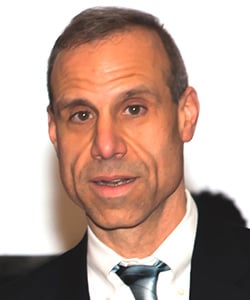
It is often said that heads of state (presidents) accomplish their greatest transformations early in their tenures. While there may be some truth to that, I can assure you that our momentum at ASRA Pain Medicine has only continued to grow.
In my first year as president, we launched ASRA Pain Medicine EDGE, introduced the well-received Military and Veterans Affairs Symposium at each annual meeting, and bolstered our cybersecurity operations.
As I enter the heart of my last year as president of ASRA Pain Medicine, I continue to be inspired by the enthusiasm and accomplishments of our community. We continue to be proactive by providing new learning formats such as ASRA Pain Medicine EDGE, creating more opportunities for members to connect through initiatives like the virtual journal club, Pain Medicine Innovation and Leadership Certificate, and mentorship program, and supporting leadership development through the Collaboratory of Pain Medicine Chiefs and a proposed Acute Pain Medicine Leadership Group. At ASRA Pain Medicine, we will always work tirelessly on your behalf to improve outcomes for patients receiving regional anesthesia and pain medicine through advocacy, support of our diverse community, and a commitment to cutting-edge educational opportunities.
Advocacy efforts include participation in several groups, including the Pain Medicine Coalition, the Multisociety Pain Workgroup, and the American Medical Association (AMA). Our delegates recently attended the AMA 2026 Annual House of Delegates Meeting in Chicago, IL, where they testified and voted on key issues affecting the practice of acute and chronic pain medicine. ASRA Pain Medicine delegates at the meeting included Drs. David Provenzano and Richard Chou, along with our newest delegate, Resident & Fellow Section (RFS) representative Dr. Ochuko Ogbon. Dr. Ogbon attended the RFS Assembly Meeting on Friday and RFS Caucuses throughout the meeting as part of her role to ensure the voices of ASRA Pain Medicine medical student, resident, and fellow members were heard. Read more here about Dr. Ogbon’s experience, which she described as “one of the most significant and rewarding opportunities of my career to date." The representation of residents and fellows is critical to ASRA Pain Medicine’s efforts to engage medical students, residents, fellows, and early career members in important advocacy efforts and the future of the profession. If you know of trainees interested in regional anesthesia or pain medicine who have a passion for advocacy, research, or practice management, please refer them to ASRA Pain Medicine, which continues to be the “go-to” organization for people interested in these areas.
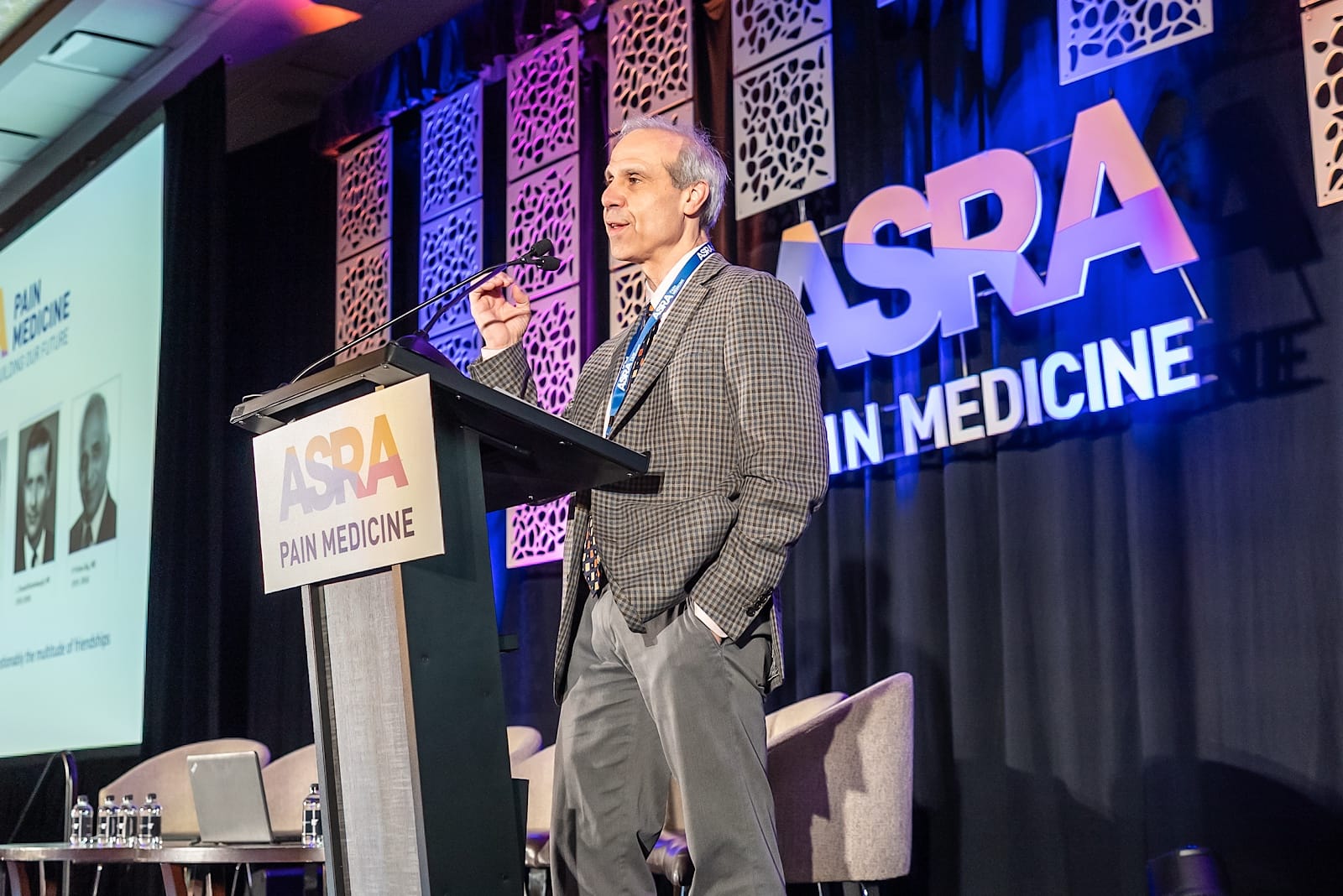
During the meeting, the ASRA Pain Medicine delegation participated in the Anesthesia Section Council, Pain and Palliative Medicine Caucus, Surgical Caucus, Mobility Caucus, and the Specialty and Service Society. As a member-at-large of the Mobility Caucus, Dr. Chou continues to be a strong advocate for pain medicine, championing our priorities and advancing policies that benefit both patients and the specialty. During the meeting, ASRA Pain Medicine supported various reports and resolutions that were adopted by the House of Delegates, including important issues related to payment reform, prior authorization, scope of practice, physician burnout, and artificial intelligence. ASRA Pain Medicine joined other pain societies to support the Reducing Prior Authorization Delays to Improve Access to Neuromodulation and Non-Opioid Pain Therapies resolution, which was adopted as amended. A full list of our society-supported resolutions can be found here.
As another way of supporting those newer to the field, we recently launched a Call for Nominations for our Early Career Committee. This committee will provide an opportunity for early career physicians to stay engaged, grow as leaders, and be supported as they advance in their careers. We received an incredible response to the call, and we are excited to kick off the committee with an enthusiastic and engaged group of individuals. As part of this committee, the members will contribute to educational and professional programming for the society, share insights and perspectives with leadership to better address their needs, and gain mentorship and leadership wisdom from key leaders. If you are interested in serving on this or any ASRA Pain Medicine committee, the annual nomination process opens September 1. I encourage all of you to review our list of committees and become involved. Whether you’re interested in continuing medical education, guidelines, practice management, or another key area, the committees provide an opportunity to contribute to the administration, development, and implementation of ASRA Pain Medicine programs and services, network with your colleagues, and become leaders in the society and specialty.
Speaking of networking, ASRA Pain Medicine is gearing up for an incredible fall, beginning with the 25th Annual Pain Medicine Meeting, being held November 5-7, 2026, in Tampa, FL. We will celebrate 25 years of developing and advancing chronic pain education while rapid innovations in science, technology, and clinical practice continue to move the field forward. Pre-meeting activities will kick off on Wednesday, November 4, with our Advanced Interventional Pain Management Course and Workshop for Fellows, led by Drs. Prentiss Lawson and Heejung Choi. This exclusive educational event provides an opportunity for fellows to learn about the most relevant and critical topics in pain practice from national and international experts in the field. If you are a fellow at the time of the event or work with fellows, please note the application deadline of Monday, August 10.
In addition, ASRA Pain Medicine will once again host the Advancing Practice Across the Military and VA Health Systems special symposium on Wednesday, November 4, led by Captain C. Ryan Phillips, chief medical officer of Naval Medical Forces Pacific and the Navy’s Pain Specialty Leader, and Elias Veizi, MD, PhD, a trained surgeon and pain medicine specialist who is chief of the Pain Medicine Service Line at the Northeast Ohio VA Health Care System. The program will focus on trauma care, pain after amputation, co-existing psychological trauma, and transitional pain programs, including international perspectives.
With a meeting theme of “Making Waves: Turning the Tide in Pain Medicine,” program chairs Tina Doshi, MD, MHS, and Ariana Nelson, MD, MEHP, have developed a program designed to push the boundaries of pain medicine and what’s possible. Sessions will highlight new evidence and emerging technologies as well as provide practical strategies to implement now for positive change in current practices. The meeting will also feature program tracks specifically designed for educators (Educational Excellence Program), advanced practice providers (Nurse Practitioner/Physician Assistant/Nurse Program), and those wanting to optimize their practice (Practice Management Portfolio).
The meeting is just around the corner, so don’t forget to submit your abstracts by Monday, August 10, and register before the early-bird deadline of Thursday, September 17, to get the best available pricing. As we get closer to November, be sure to check out the latest details and special events that will surely make for a memorable 25th Annual Pain Medicine Meeting.
As I embark on the second year of my ASRA Pain Medicine presidency, I want to assure our membership that we remain engaged, proactive, and committed to prioritizing what our members value. Members are the foundation of our society and the driving force behind ASRA Pain Medicine’s continued success as the premier worldwide leader in regional anesthesia and pain medicine. In what is starting to become a common theme in my presentations and messages, I will continue to emphasize that the synergy we create when we work together far surpasses what any of us can accomplish while working in our own silos.