Support and Challenge: Redefining Mentorship
As a first-generation, low-income student, mentorship has been immeasurable throughout my journey, helping me access the opportunities and spaces I find myself in today. I am the first in my family not only to graduate from high school but also to attend an elite institution and now pursue a doctor of medicine degree. However, this path has not been easy to navigate, as I have faced many uncertainties and expectations along the way. I often seek guidance from those in positions I hope to one day attain, using their paths to inform how I approach my own goals.
I have learned that constructive feedback is essential for identifying areas of weakness, managing expectations, and, when those expectations are not met, reassessing and redirecting my approach.
My two most meaningful mentors are physicians I met as an undergraduate student, each of whom provided distinct yet equally impactful forms of mentorship.
I connected with my first mentor by using my undergraduate institution’s alumni network to reach out to physicians in my area. Although I did not receive many responses, Dr. P replied. She was an academic anesthesiologist who not only taught but also led her own pain management clinic while practicing in both the labor and delivery unit and the operating room. She was one of the first women accepted into her residency program, navigating barriers and expectations in medicine that now feel far removed. Her mentorship not only provided support and answered my questions but also illustrated the importance of advocating for myself and seeking out opportunities that others before me may not have had access to, shaping how I approach my own future in medicine. From Dr. P, I learned that mentorship is not only offering advice but also sharing lived experiences that help guide a mentee in building their own path.
My other mentor is also an anesthesiologist, whom I met in a more unconventional way. While working as an undergraduate alumni fund caller, I met Dr. C, who offered his guidance after learning I was on the pre-med track. He brings a “breath of fresh air” approach to mentorship. His guidance is not always easy to hear, as his feedback may require me to reevaluate my plans, but it is consistently honest, which I have come to value most. Rather than offering only affirmation, he provides a critical perspective that challenges me to reflect, grow, and improve. When I am not focusing on important aspects of my early career, it is essential to hear this from someone who has navigated this path before. As an early-career physician, it is easy to feel pressure to check boxes or conform to expected trajectories; however, that is not always the best approach, and it can be difficult to recognize this on my own. Seven years later, I still look to Dr. C for mentorship. I have learned that constructive feedback is essential for identifying areas of weakness, managing expectations, and, when those expectations are not met, reassessing and redirecting my approach.
While these mentors did not always have answers to every question or the ability to directly connect me to specific opportunities, they did not need to. Their experiences, perspectives, and guidance were enough to help me better understand the path ahead and approach it with greater clarity and intention.
As I continue my training in medical school, I have come to appreciate how valuable mentorship within one’s home institution can be. I encourage healthcare professionals to engage with medical students at their institutions through research experiences, shadowing, or simply creating space for questions.
There is no single “perfect” way to provide mentorship; rather, a balance of these approaches best supports mentees as they navigate a competitive training environment and career path. Moving forward, I hope to embody both styles, offering support and shared experience while also providing honest, constructive feedback to help others navigate their own paths with confidence and intention.
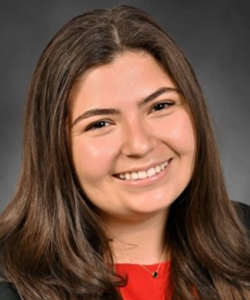 Alicia Ugenti is a first-year medical student at Weill Cornell Medicine who grew up in Westchester, NY, and graduated cum laude from Amherst College with degrees in biology and sexuality, women’s, and gender studies. Prior to medical school, she worked in pharmaceutical marketing, as a medical assistant, and volunteered as an advocate for children in foster care. At Weill Cornell, she serves on the executive board of the Anesthesia Interest Group and the Medical Student Executive Council as the student services representative. She volunteers with the Weill Cornell Clinic for Human Rights and the New York Academy of Medicine’s Advocacy in Medicine program, and conducts research at the Hospital for Special Surgery and Weill Cornell. She also founded Weill Cornell’s chapter of Stethos[Cope], a national mental health initiative supporting medical trainees through peer storytelling and stigma reduction. She has been selected to represent Weill Cornell at the Association of American Medical Colleges RISE Leadership Conference. In her free time, she enjoys traveling, attending concerts, and mentoring undergraduates.