Growth Through Change: My Path to Pain Medicine
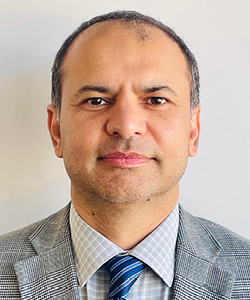
My journey in medicine has been defined by a commitment to growth, adaptability, and patient-centered care. Throughout my career, I have embraced challenging opportunities that have shaped both my professional identity and my personal values.
I began my career by pursuing training in surgical residency followed by fellowship in multiorgan transplant surgery, a field that demands technical excellence, resilience, and the ability to make critical decisions under immense pressure. Transplant surgery offered the privilege of caring for some of the sickest patients and participating in life-saving procedures. I found great satisfaction in the complexity of the work, the multidisciplinary collaboration, and the opportunity to make a meaningful difference in patients' lives. The challenges of transplant surgery pushed me to continually refine my clinical judgment, technical skills, and ability to perform in high-stakes environments.
As my career progressed, however, I came to recognize that my priorities had evolved. While I remained passionate about surgery, I also realized the importance of being present for my family and children. Achieving a sustainable balance between a demanding surgical career and family life became increasingly important. This realization led me to make the difficult but thoughtful decision to transition into a family medicine residency.
This transition was not a departure from my commitment to patient care but rather an evolution of it. Family medicine has allowed me to build long-term relationships with patients, manage a broad spectrum of medical conditions, and continue to exercise significant clinical responsibility. I have greatly enjoyed the continuity of care and the opportunity to positively impact patients across all stages of life. My previous surgical training has also provided me with a unique perspective when evaluating complex patients and coordinating multidisciplinary care.
Throughout both my surgical and family medicine experiences, pain management has consistently captured my interest. During my years in transplant surgery, I gained extensive experience in perioperative pain management, caring for patients with both acute postoperative pain and chronic pain syndromes. I developed an appreciation for the complexity of pain, recognizing that effective management requires not only medical knowledge but also empathy, communication, and an individualized approach. In family medicine, I have continued to care for patients with chronic musculoskeletal pain, neuropathic pain, cancer-related pain, and other complex pain conditions. These experiences have reinforced my desire to pursue specialized training in pain medicine.
I am drawn to pain medicine because it combines procedural skills, comprehensive clinical assessment, and long-term patient relationships. It represents the ideal integration of my surgical background and my experience in primary care. My surgical training has given me confidence with anatomy, image-guided procedures, and procedural techniques, while family medicine has strengthened my ability to evaluate patients holistically, manage chronic disease, and appreciate the psychological and social dimensions of pain.
Looking toward the future, I am excited by the rapidly evolving landscape of pain medicine. Advances in artificial intelligence (AI), data analytics, and precision medicine are transforming health care and creating new opportunities to improve diagnosis, personalize treatment, and optimize patient outcomes. I believe that AI will play an increasingly important role in clinical decision support, patient monitoring, procedural planning, and predicting treatment response. Rather than replacing physicians, these innovations will allow pain specialists to provide more precise, efficient, and individualized care. I am eager to be part of a specialty that is embracing technological innovation while maintaining its strong focus on compassionate and patient-centered care.
My diverse training has taught me to adapt, continue learning, and embrace change. The decision to transition from transplant surgery to family medicine required humility and courage, but it has made me a more well-rounded physician. It has reinforced that success in medicine is measured not only by technical achievement but also by the ability to align one's career with personal values while continuing to provide exceptional care to patients.
I am seeking a pain medicine fellowship because it represents the natural culmination of my professional journey. It builds upon my experience in perioperative and chronic pain management, my procedural skills, and my commitment to improving patients' quality of life. I look forward to contributing my unique background, learning from leaders in the field, and helping shape the future of pain management through innovation, interdisciplinary collaboration, and compassionate care.