Interview with Ireana Ng, MB ChB, FRCA
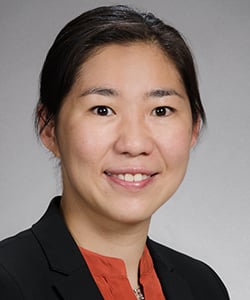 Can you tell us your name, where you work, and your current leadership roles at your home institution and other societies?
My name is Dr. Ireana Ng, and I work at Harborview Medical Center (HMC) in Seattle, WA.
I serve as the clinical lead in Orthopedics Anesthesia at HMC and as co-director in Simulation Learning at the University of Washington Department of Anesthesiology & Pain Medicine.
May is Asian American, Native Hawaiian, and Pacific Islander (AANHPI) Heritage Month. How do you celebrate during this month?
To celebrate this year, I plan to visit the Seattle Center’s Asian American Native Hawaiian Pacific Islander Heritage Month Celebration on May 3, as part of the Seattle Center Festál series.
Why do you think it’s important to recognize and celebrate AANHPI Heritage Month?
It is a meaningful way to celebrate my and other AANHPI individuals’ cultural identities and to appreciate the contributions of past AANHPI communities. Most of all, it is an opportunity to introduce and share some of these cultural traditions with my child and help them appreciate them. I am also a foodie and enjoy exploring different ethnic cuisines.
ASRA Pain Medicine members have an interest in regional anesthesiology and pain medicine-related topics. Please tell us more about your research, education, or advocacy in this area.
My clinical and academic interests focus on pain management and regional anesthesia for trauma and burn patients.
Education is a major focus of my career. I currently serve as co-director of Simulation-Based Education in our department. I organize regional anesthesia cadaver workshops, teach, and help develop didactic sessions and simulation-based training for the residents. I strongly believe simulation is an effective way to teach crisis resource management and clinical decision-making in complex scenarios, allowing trainees to practice in a safe and controlled environment.
My research and quality improvement work centers on patient safety, particularly in regional anesthesia. Current projects include a pilot study evaluating perioperative lidocaine infusion for burn pain and developing a pathway and database to manage postoperative neurological symptoms after peripheral nerve blocks at our institution, working closely with our Pain clinic and Peripheral Nerve clinic.
What challenges have you faced on your journey so far as a physician and anesthesiologist? How did you overcome them?
I graduated from the University of Aberdeen in Scotland and began my anesthesia training in England. Due to family circumstances, I relocated to the United States while I was a senior trainee. As an international medical graduate, I found the transition challenging. After deciding to stay in the United States long term, I completed the United States Medical Licensing Examination® examinations, obtained observership opportunities, and ultimately secured a residency position.
As part of this journey, I completed a year of surgical preliminary training. This surgical year was an invaluable experience as it gave me a broader understanding of perioperative care and the surgical perspective, which continues to influence my practice today. Anesthesia is truly a career of lifelong learning, and repeating residency training allowed me to refine my knowledge and focus on areas that I had not fully explored during my previous training.
Preparing for additional exams and restarting training (after being out of medicine for 3 years and having a 2-year-old toddler) was demanding, but I was fortunate to have the unwavering support of my family, friends, and colleagues along the way. Their encouragement helped me stay focused during the most challenging periods.
Looking back, the experience shaped both my professional and personal growth. It was not an easy path, but it ultimately made me a stronger and more thoughtful anesthesiologist
Why is equity and inclusion important in medicine and in regional anesthesia and pain medicine?
Having been born and raised in Malaysia and trained in the United Kingdom, where healthcare is delivered through a national healthcare system, I developed a strong appreciation for equitable access to healthcare. All patients, regardless of background or circumstance, deserve access to equal high-quality medical care. This perspective continues to influence my clinical practice, teaching, and commitment to creating an inclusive and supportive healthcare environment.
Who has served as an inspiration in your life?
My father has always been a major source of inspiration in my life. His perseverance, integrity, and commitment have deeply influenced my values and outlook. When I was considering a career in medicine, he was very supportive but also very honest about the realities of the profession. I still remember his words: “Medicine is a lifelong commitment. You have to truly enjoy it, or it will be a hard journey. I hope you will complete it if that is what you have decided.”
He encouraged me to shadow physicians and explore the field so that I could truly understand what life as a doctor is. I realized that his advice came from a place of care—he did not want me to face unnecessary hardship if I ultimately did not enjoy the profession. His guidance helped me make a thoughtful, deliberate decision to pursue medicine, and his support has remained a constant source of motivation throughout my journey and continues to guide me today.
What career accomplishment makes you most proud?
The accomplishment I am most proud of is helping develop a follow-up pathway for patients with postoperative neurological symptoms after peripheral nerve blocks at our institution. This initiative was created in collaboration with our regional anesthesia team, surgeons, pain clinic, and multidisciplinary peripheral nerve clinic to ensure early identification, evaluation, and continuity of care for these patients. It was challenging to coordinate care across multiple specialties and reach consensus on a shared clinical pathway. We are also building a database to better understand outcomes and guide future quality improvement. This work is meaningful to me because it reflects my commitment to prioritizing patient safety and ensuring that patients receive appropriate follow-up.
What advice would you give to young physicians and trainees as they navigate their careers?
Medicine is not an easy journey. There will be ups and downs along the way. When things become difficult, it is important not to give up. Sometimes, taking a step back and a brief breather can help you regain perspective and move forward.
I realized the value of mentorship relatively late in my career, and I often wish I had access to that guidance earlier in my training, partly because of my relocation. Mentorship is an essential component of professional growth in medicine—it is not a journey we can complete alone. Lastly, medicine is a beautiful journey filled with learning, challenges, and opportunities to make a meaningful difference in people’s lives.
Ireana Ng, MB ChB, FRCA, is an assistant professor in the department of Anesthesiology and Pain Medicine at the University of Washington in Seattle. She is originally from Malaysia and completed medical school in Scotland. She began anesthesiology training in the United Kingdom before moving to the United States, where she completed residency in Boston, MA, and fellowship training in regional anesthesia at Harborview Medical Center in Seattle, WA, 2020. Her clinical interests focus on acute pain management and regional anesthesia for trauma and burn patients. She also serves as co-director of Simulation-Based Education and is actively involved in resident education and patient safety initiatives.