Interview with Dr. Lynn Kohan
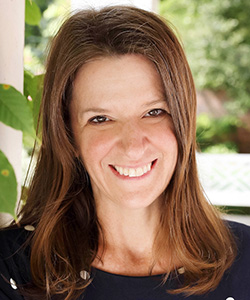 Dr. Lynn Kohan is a professor of Pain Medicine in the department of Anesthesiology at the University of Virginia in Charlottesville, VA, where she also serves as the division chief of Pain Medicine and program director for the Pain Medicine Fellowship. A recognized leader in the field, Dr. Kohan currently serves on the Board of Directors for both ASRA Pain Medicine and the American Academy of Pain Medicine. She is the immediate past president of the Association of Pain Program Directors and the president-elect of the Society of Academic Associations of Anesthesiology and Perioperative Medicine.
Christine Gou, MD, a physical medicine & rehabilitation resident physician at Washington University School of Medicine in St. Louis, MO, recently interviewed Dr. Kohan. Co-chair of the ASRA Pain Medicine Resident & Fellow Committee Social Media and Website Subcommittee, Dr. Gou is passionate about fostering community in medicine and, through the ASRA Pain Medicine Women in Pain Medicine Interview Series, she highlights the stories and insights of women shaping the future of the field.
Christine Gou: Thank you for kicking off our series with women physicians! What inspired you to pursue a career in pain medicine, and how did you discover your interest in the field?
Lynn Kohan: I hadn’t initially considered pain medicine, mainly because I hadn’t been exposed to it. During the pain rotation in anesthesiology, I found myself drawn to the field. I realized how much I valued building in-depth patient relationships and having continuity of care. Pain medicine offered that connection, along with a great amount of variety. From multimodal treatment plans to interventional procedures, every day felt dynamic and different. What resonated with me most was the opportunity to care for patients in their most vulnerable moments. To be able to help relieve their pain and suffering, even a little, felt meaningful.
Gou: How has your career evolved over time—any “aha” moments that have shaped your journey in Pain Medicine?
Kohan: I wouldn't say there were any singular “aha” moments in my career; it's been more of a steady progression through different stages. Looking back, I never could have imagined being where I am today. I remember the transition from fellow to attending—suddenly, there was no one above me making the final decisions. I found myself looking around and thinking, “Where’s the attending?”—and then realizing, “That’s me now.” I focused on developing my clinical skills in those early years. Over time, I became more drawn to work in medical education, which has become one of the most rewarding aspects of my career. I transitioned into the program director role and became more involved in national societies’ educational efforts. I discovered that I really loved collaborating with others in the field. Pain medicine is a relatively small, close-knit community. There’s a shared sense of purpose, where we’re all working together to advance the field, improve training, and enhance the care we provide to patients.
Gou: Can you speak more about collaboration and building your team?
Kohan: Sure. When I think about collaboration, I see it happening on two levels: within the local team and the broader professional community. Locally, at the University of Virginia, I’m fortunate to work with a great group of colleagues. We support each other in both visible and everyday ways—whether it’s co-authoring manuscripts, collaborating on research, or preparing for talks. But just as important is the daily support, helping one another through tough clinical cases or being present during challenging moments. That kind of consistent, behind-the-scenes support is what really builds a culture of trust and teamwork.
On a broader scale, collaboration can start by making connections at national meetings and conferences. To build your professional network, identify your own passions and find others who share them. In pain medicine, I’ve found the community to be especially welcoming and supportive. People are genuinely eager to connect, offer guidance, and create opportunities for one another. It’s a specialty where collaboration isn’t just encouraged, it’s embedded in the culture. And once you begin engaging, your network tends to grow organically.
Gou: I love that networks can grow naturally through meaningful work. Shifting gears a bit, what are some of your favorite ways to take a break and recharge?
Kohan: I have two young daughters, so getting a true break can be a bit of a challenge, but spending time with them and with family is always valuable. I also try to get outside when I can—take a walk, go for a hike. Charlottesville is such a beautiful place, and being in nature helps me reset. Sometimes, it’s also about giving myself permission to unplug, to sit on the couch and binge-watch a good show.
Gou: Absolutely. As every career comes with its challenges, can you share some of the more difficult moments you’ve faced, and how you’ve learned to navigate them?
Kohan: Pain medicine is as challenging as it is rewarding. Chronic pain is complex and difficult to treat. One of the hardest parts is when, despite your best efforts, you’re not able to help a patient find relief. It’s hard not to take that personally, especially when your goal is to help someone feel better. In those moments, I try to shift my focus to what I can offer: presence and compassion. And sometimes those alone can be incredibly meaningful for some patients.
Gou: Pain might be one of the few specialties that AI can’t replace, because it demands that deep level of compassion and human connection.
Kohan: Absolutely. I have patients who are medically stable, but they continue to come to the clinic just to talk. That kind of ongoing connection matters. At the same time, it’s important to recognize that even conversation can be difficult—chronic pain often brings a high level of emotional distress and complex mental health challenges. Pain touches every aspect of a person’s life, and we see that impact daily. In those situations, our role is to help patients develop insights into their condition and find ways to cope, even when we can’t eliminate pain entirely. Sometimes just knowing that someone cares can carry a patient through a hard stretch. We don’t succeed every time, but what matters is not letting those moments define you and moving forward. Everyone has struggles, regardless of how successful they may appear on the outside. Don’t be afraid to fail. It’s part of the process. The key is not letting failure stop you from growing.
Gou: That message might especially resonate with women in medicine. Women are still a minority in Pain. How do you think we can empower more women to enter the field?
Kohan: It’s interesting. Within our division, we’ll soon have only one male colleague. So on the day-to-day, I’m surrounded by women. But stepping back to look at the field or the applicant pool, you realize how few women are in pain medicine. That makes initiatives like this series important because visibility matters. Showing that women are not only in pain medicine but are thriving, enjoying their work, and finding it rewarding is powerful. It helps break down the perception that this is a male-dominated field or that women don’t belong here.
Supporting women colleagues, whether locally or nationwide, is important. Staying in touch can make a difference, and it’s fun to see each other at annual meetings. Building community by bringing women into the field—especially early on—is key. I love that the Resident & Fellow Committee has a medical student section, as it gives students a chance to see female role models in pain medicine, maybe even for the first time.
Still, we’re not entirely sure why more women aren’t entering the field, because pain medicine can be a great fit for women. Many patients appreciate the empathy and communication that female physicians often bring to the table. While that’s a generalization, it reflects something we frequently hear in practice.
Gou: Having females in leadership positions is empowering. In your career, how have you navigated saying “yes” and “no” to opportunities?
Kohan: Earlier in my career, I said “yes” to almost everything, and that is often necessary when starting out. Importantly, when saying “yes,” make sure to follow through. Over time, you learn to be more selective and recognize what truly aligns with your passions and where you can contribute most meaningfully. Not to say that you’re uninterested in the other opportunities, but focusing your energy allows you to do your best work. It’s also important to learn when to say “no” to make space for others. Sometimes I’ll say, “I can’t take this on right now, but I know a colleague who’s interested and would be great for it.” So, saying “no” can be a way to elevate someone else and help grow the community around you, which is just as valuable.
Gou: Well, I first met you at a 6:30 a.m. CV review during one of ASRA Pain Medicine’s fall conferences, and the fact that you’re still saying “yes” to things like that really shows how committed you are to education and supporting trainees. Thank you so much for being the kind of leader we aspire to—and for sharing your story and wisdom today!
Kohan: It’s been a pleasure!