ASRA Pain Medicine Answers: How Long Should Chemotherapy Be Delayed After an Intrathecal Pump Implant in a Cancer Patient?
Cite as: Hao D, Narang S, Eshraghi Y, et al. ASRA Pain Medicine answers: how long should chemotherapy be delayed after an intrathecal pump implant in a cancer patient?. ASRA Pain Medicine News 2026;51. https://doi.org/10.52211/asra050126.005.
ASRA Pain Medicine Answers
In patients with cancer undergoing intrathecal drug delivery system (IDDS) implantation for refractory pain, how long, if at all, should systemic chemotherapy be delayed post-procedure to minimize wound and infectious complications without adversely affecting oncologic outcomes?
Introduction
Intrathecal pump implantation for refractory cancer-related pain is frequently performed in patients who are actively receiving or scheduled to receive systemic anticancer therapy. In practice, there is variability in how chemotherapy is managed around the time of implantation. Existing guidance is often extrapolated from general surgical or oncology literature. Clinicians must balance theoretical risks of impaired wound healing and infection against the harms of delaying chemotherapy, particularly in curative or disease-controlling settings. This article synthesizes available data and expert recommendations to inform a pragmatic, evidence-aligned approach to chemotherapy timing after IDDS implantation.
Evidence and Literature Review
A central consideration when determining timing is the potential impact on surgical wound healing. Chemotherapy should not be initiated until surgical incisions have healed adequately to avoid potential wound dehiscence or delayed healing. Chemotherapeutic agents, particularly cytotoxic drugs like doxorubicin and cyclophosphamide, function by targeting rapidly dividing cells, which can inadvertently inhibit the cellular metabolism, fibroblast proliferation, and angiogenesis necessary for tissue repair.1-3 Initiating therapy prematurely can disrupt the proliferative phase of wound healing, leading to complications such as surgical site infection (SSI) or wound dehiscence.4 While general guidelines often suggest a minimum delay of 14 days before restarting chemotherapy after minor procedures, the safest approach for implanted devices is to verify complete wound closure prior to resuming systemic therapy.5 Complete wound closure is defined clinically as full approximation of wound edges with intact epithelial continuity.
Special caution is required for patients receiving long-acting targeted therapies, such as vascular endothelial growth factor (VEGF) inhibitors, including bevacizumab (Avastin). These agents directly inhibit angiogenesis, a vital component of wound healing, and are associated with a significantly higher risk of wound dehiscence and bleeding complications.6 Bevacizumab has a half-life of approximately 20 days. Consequently, Food and Drug Administration (FDA) labeling and National Comprehensive Cancer Network (NCCN) guidelines recommend waiting at least 28 days (4 weeks) following surgery before initiating or restarting bevacizumab to allow for adequate wound healing. For major surgical procedures or patients with delayed healing, extending this interval to 6–8 weeks may be necessary to minimize the risk of device exposure or explantation.7,8
Retrospective data suggest that proceeding with chemotherapy in relatively close proximity to intrathecal pump surgery is feasible without high complication rates. A study conducted at the University of Utah from 2014 to 2018 examined 217 IDDS implants. The majority of patients (79.3%) received antineoplastic therapy within 30 days before or after implantation, including 46.5% receiving chemotherapy, 28.6% receiving immunotherapy, 28.1% receiving radiation therapy, and 32.3% receiving systemic steroids. Within this cohort, two patients developed SSI within 6 months of implant, corresponding to an overall infection rate of 0.9% (95% CI, 0.1%–3.3%). The authors noted that at their institution, chemotherapy is not routinely postponed for IDDS implant; however, decisions should be coordinated with the patient’s multidisciplinary team, including avoiding periods of white blood cell and absolute neutrophil count nadirs.9
There is no definitive evidence-based interval that requires routine delay of chemotherapy after intrathecal pump implantation. Available data support a pragmatic, individualized approach.
A retrospective study examined implants performed at MD Anderson Cancer Center from 2006 to 2009 to evaluate whether patients with cancer-related pain had a higher incidence of infectious complications compared with non-cancer pain patients. The risk of infection was comparable between patients with cancer (2.7%) and those without cancer (3.3%) across both spinal cord stimulation devices and IDDS. However, the study did not analyze the proportion of patients receiving specific antineoplastic therapies or the timing of those therapies relative to implantation; therefore, the findings must be interpreted cautiously when considering questions of treatment and implant timing.10
Similar questions have been raised regarding the interval between placement of totally implantable venous access ports (TIVAPs) and initiation of chemotherapy. In an observational, single-center prospective study, 4,045 consecutive patients were evaluated. The authors found that chemotherapy regimens at intermediate or high risk of inducing neutropenia had significantly higher TIVAP removal rates than low-risk regimens, with infection as the primary indication for port removal. Notably, the study did not examine the timing of chemotherapy initiation, limiting direct applicability to timing decisions.11
Perioperative pharmacologic reviews offer more explicit guidance on timing. A 2024 review of perioperative drug management recommends holding all cytotoxic chemotherapeutic agents for 4 weeks prior to surgery and restarting 4 weeks after surgery, provided there is no evidence of wound healing complications, SSI, or systemic infection.5
In scenarios where chemotherapy is being administered for curative intent, it is important to recognize the implications of prolonged delays in restarting therapy. A study examining the relationship between time to chemotherapy (TTC) and outcomes after breast surgery included 24,843 patients with stage I to III invasive breast cancer. Delayed TTC was defined as 91 or more days from surgery to the first dose of adjuvant chemotherapy. Patients treated 91 or more days from surgery experienced worse overall survival (hazard ratio [HR], 1.34; 95% CI, 1.15-1.57) and worse breast cancer–specific survival (HR, 1.27; 95% CI, 1.05-1.53), reaffirming the adverse impact of treatment delays.12 These findings were reinforced by a recent publication that analyzed the association between the timing of adjuvant chemotherapy after surgery for colorectal cancer and disease-free survival using a post hoc analysis. A total of 5,791 patients were included in the primary analysis, and initiation of adjuvant chemotherapy more than 6 weeks after surgery was associated with worse disease-free survival (hazard ratio, 1.24; 95% CI, 1.06-1.46; P = .01)13
/webinars-300x250.png?sfvrsn=c8c17b9c_1 "Webinars 300x250")
ASRA Pain Medicine Answers
There is no definitive evidence-based interval that requires routine delay of chemotherapy after intrathecal pump implantation. Available data support a pragmatic, individualized approach. For most cytotoxic and non-VEGF systemic therapies, chemotherapy may be resumed once the surgical wounds have adequately healed and there is no evidence of infection, typically within 2–4 weeks. Retrospective IDDS series demonstrate low infection rates even when chemotherapy is administered within 1 month of implantation, and prolonged delays should be avoided in curative-intent settings due to survival harm. VEGF inhibitors (e.g., bevacizumab) warrant greater caution. Because of impaired angiogenesis and a higher risk of wound dehiscence, current FDA labeling and NCCN guidance recommend delaying initiation or resumption for at least 28 days after implantation, with consideration of a longer interval (6–8 weeks) in patients with delayed healing or higher surgical risk.
A practical consideration warranting explicit discussion is the likelihood that IDDS implantations will lead to missed or delayed chemotherapy cycles. This should be acknowledged proactively through shared decision-making that includes the patient, the implanting pain physician, and the treating medical oncologist. Key considerations include the intent of therapy (curative versus palliative), the cycle length, the urgency of pain control relative to the disease trajectory, and whether procedural scheduling can align with a natural inter-cycle interval. For patients receiving curative-intent chemotherapy, the care team should confirm that the anticipated delay is acceptable. For patients in the palliative context, the conversation should center on whether expected improvement in pain control and functional status justifies the cycle delay. Framing these trade-offs transparently supports patient autonomy and ensures alignment across the multidisciplinary team.
Overall, chemotherapy should not be routinely postponed after IDDS implantation beyond what is necessary for wound healing. Decisions should be individualized and coordinated with oncology, particularly when balancing procedural risk against the consequences of delaying cancer-directed therapy.
Conflicts of Interest
Sanjeet Narang reports a relationship with AIS Healthcare that includes consulting or advisory. Sanjeet Narang reports a relationship with Medtronic Inc. that includes consulting or advisory. David Hao, Yashar Eshraghi, and Vinita Singh declare that they have no known competing financial interests or personal relationships that could have appeared to influence the work reported in this paper.

David Hao, MD, MS, is the director of the cancer pain program in the department of anesthesiology at Massachusetts General Hospital in Boston, MA.
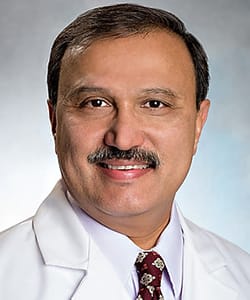
Sanjeet Narang, MD, is the vice chair for pain medicine in the department of anesthesia, critical care, and pain medicine at Beth Israel Deaconess Medical Center of Harvard Medical School in Boston, MA.
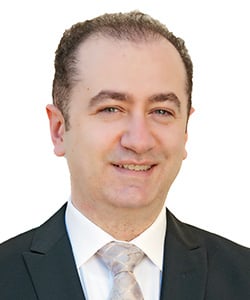
Yashar Eshraghi, MD, is the program director for the pain medicine fellowship training program at Ochsner Health System in New Orleans, Louisiana.

Vinita Singh, MD, MS, is board-certified in anesthesiology and pain medicine. She is the director of cancer pain and co-director of research for the pain division at Emory University in Atlanta, GA.
References
- Cohen SC, Gabelnick HL, Johnson RK, et al. Effects of cyclophosphamide and adriamycin on the healing of surgical wounds in mice. Cancer 1975;36(4):1277-81. 10.1002/1097-0142(197510)36:4<1277::aid-cncr2820360413>3.0.co;2-1
- Słonimska P, Sachadyn P, Zieliński J, et al. Chemotherapy-mediated complications of wound healing: an understudied side effect. Adv Wound Care 2024;13(4):187-99. https://doi.org/10.1089/wound.2023.0097
- Morishita T, Toriyama K, Takanari K, et al. Effect of postoperative doxorubicin administration on ischemic wound healing. Nagoya J Med Sci 2018;80(3):357-66. https://doi.org/10.18999/nagjms.80.3.357
- Deptuła M, Zieliński J, Wardowska A, et al. Wound healing complications in oncological patients: perspectives for cellular therapy. Postepy Dermatol Alergol 2019;36(2):139-46. https://doi.org/10.5114/ada.2018.72585
- Galuia M, Fedorova J, McHayleh W, et al. Perioperative drug management of systemic therapies in breast cancer: a literature review and treatment recommendations. Curr Oncol 2025;32(3):154. https://doi.org/10.3390/curroncol32030154
- Zhang H, Huang Z, Zou X, Liu T. Bevacizumab and wound-healing complications: a systematic review and meta-analysis of randomized controlled trials. Oncotarget 2016;7(50):82473-81. https://doi.org/10.18632/oncotarget.12666
- AVASTIN® (bevacizumab) Label – FDA. Accessed January 27, 2026.
- National Comprehensive Cancer Network. Clinical Practice Guidelines in Oncology: Rectal Cancer. https://www.nccn.org/guidelines/guidelines-detail?category=1&id=1461. Published October 31, 2025. Accessed January 27, 2026.
- Sindt JE, Larsen SD, Dalley AP, et al. The rate of infectious complications after intrathecal drug delivery system implant for cancer-related pain is low despite frequent concurrent anticancer treatment or leukopenia. Anesth Analg 2020;131(1):280-7. https://doi.org/10.1213/ANE.0000000000004639
- Engle MP, Vinh BP, Harun N, et al. Infectious complications related to intrathecal drug delivery system and spinal cord stimulator system implantations at a comprehensive cancer pain center. Pain Physician 2013;16(3):251-7.
- Kakkos A, Bresson L, Hudry D, et al. Complication-related removal of totally implantable venous access port systems. Eur J Surg Oncol 2017;43(4):689-95. https://doi.org/10.1016/j.ejso.2016.10.020
- Chavez-MacGregor M, Clarke CA, Lichtensztajn DY, et al. Delayed initiation of adjuvant chemotherapy among patients with breast cancer. JAMA Oncol 2016;2(3):322. https://doi.org/10.1001/jamaoncol.2015.3856
- Gögenur M, Rosen AW, Iveson T, et al. Time from colorectal cancer surgery to adjuvant chemotherapy: post hoc analysis of the scot randomized clinical trial. JAMA Surg 2024;159(8):865. https://doi.org/10.1001/jamasurg.2024.1555