From Vision to Reality: The Evolution of Pain Medicine Fellowship Training in Egypt
Cite as: Ayad AE. From vision to reality: the evolution of pain medicine fellowship training in Egypt. ASRA Pain Medicine News 2026;51. https://doi.org/10.52211/asra080126.007.
Egypt has been ahead in Africa in recognizing the importance of chronic pain education, and a significant shift is now underway, driven by dedicated efforts to enhance specialized training in chronic pain for healthcare professionals nationwide.
The foundation was laid nearly 40 years ago by pioneering figures in pain medicine, who ran direct, one-on-one training in their university clinics. Among the earliest was the late professor Omar Tawfik from the National Cancer Institute (NCI) at Cairo University, whose work in the 1980s laid the groundwork for structured pain education. He was followed by professor Maged El Ansary from Al Azhar University and professor Maher Fawzy from Cairo University, among others. A landmark achievement came in 1988 when the NCI at Cairo University established the region’s first master’s degree in pain medicine, with the first cohort of candidates graduating in April 1992. That same year, the Egyptian Medical Syndicate took the historic step of issuing a special registration for pain as a professional subspecialty, the first such recognition in the Middle East.
In the years that followed, pain medicine remained centered in major academic institutions, nurtured by this small group of dedicated pioneers who taught through clinical apprenticeships, quietly building a foundation of expertise one trainee at a time. Though there was no national curriculum yet and knowledge remained limited, their efforts kept the field alive and growing.
By the early 2000s, it became clear that apprenticeship alone could not meet the growing need for training. The science had advanced, and the call for structured training could no longer be ignored. Responding to this moment, Cairo University introduced a second master’s degree in pain medicine in 2009, this time offering a formal curriculum that incorporated advances in pain science. However, the program remained largely theoretical, offering education and examination without a structured hands-on clinical component.
In recognition of this need, the first Egyptian fellowship of pain medicine was launched in 2013 as a 1-year program with a clear syllabus, initially accepting a small number of candidates. Over time, applications grew steadily, and the fellowship eventually opened for applications on a biannual basis; in the most recent cycle, 62 candidates applied, of whom 38 were accepted after meeting eligibility criteria.
Recognizing the ongoing need for pain management certification, a professional diploma with a condensed 6-month curriculum was launched at the NCI at Cairo University in 2017, accepting 10 candidates annually. This program combined didactic instruction with hands-on pain management interventions, attracting trainees not only from across Egypt but also from Iraq, Yemen, Sudan, Libya, and Palestine.
Amidst these developments, the need for objective, internationally recognized evaluation of clinical competency became increasingly apparent. Professor Magdi R. Eskander, from the NCI at Cairo University, played a pivotal role in this arena as a pioneer in teaching interventional pain and establishing strong ties with the World Institute of Pain (WIP). His leadership was instrumental in introducing Egyptian physicians to the rigorous Fellow of Interventional Pain Practice (FIPP) examination and in founding the Egyptian Foundation for Interventional Pain Practice (EFIPP), which became a cornerstone for advanced procedural training in the country. The impact of Egypt’s training has extended across the region. Among 175 FIPP alumni from the Middle East, 48 are Egyptians practicing within their home country. Moreover, a substantial number of Egyptian-trained physicians now lead pain practices in Saudi Arabia and the Gulf, a testament to the strength and regional influence of Egypt’s foundational training.
During the COVID-19 era, the WIP Middle East Section (Egypt) harnessed online platforms to host international webinars, unifying pain education in Egypt with global practice.¹ In the post-COVID era, this momentum has continued, with hybrid educational models and expanded international collaborations further enriching the training landscape. These incremental developments ultimately paved the way for the robust, 2-year fellowship model we have today.
The core of this transformation is education. Recognizing the multidisciplinary nature of pain, Egyptian medical institutions and societies are now prioritizing comprehensive training programs. At the forefront of this movement are the Egyptian Society of Pain Management (ESPM) and the EFIPP, whose collaborative efforts have been instrumental in shaping pain education nationwide. Through annual conferences and workshops, the ESPM has fostered a vibrant community of pain practitioners while bringing international experts to Egypt. Building on this foundation, the EFIPP has advanced interventional pain training via structured cadaveric workshops and hands-on courses in fluoroscopy and ultrasound-guided interventions, bridging the gap between theory and clinical application. In close collaboration with university hospitals, including Cairo University, Ain Shams University, and Alexandria University hospitals, among others, these societies have championed pain medicine as a distinct specialty and laid the groundwork for today’s structured, competency-based fellowship.
Bringing global experts to Egypt and sending local practitioners abroad for advanced training have helped shape chronic pain practice; yet, these efforts alone remained inadequate. The evolution of chronic pain training in Egypt’s major universities spans decades. It began with anesthesia departments incorporating “pain management” as a component within broader certificates, a first step that left significant educational gaps. For years, the permit to practice chronic pain management relied merely on 2 years of post-MD clinical experience, a benchmark widely deemed insufficient.²
This recognition ultimately drove the establishment of a dedicated pain management fellowship. Initially a 1-year program, it has matured significantly through the dedicated efforts of leaders in the field. Professor Ali Eissa, from El Azhar University, led the most recent and transformative upgrade of the Egyptian Fellowship from 2022 to 2026, shaping it into its current mature, 2-year, hands-on training pathway. In 2023, the fellowship solidified into a robust, 2-year, hands-on training pathway. This advanced fellowship is now conducted in approved training centers under updated regulations, including mandated supervisor-to-trainee ratios of 1:2.
This structured training is codified in the Egyptian Fellowship Board’s official curriculum (2022), which establishes competency-based benchmarks for pain medicine. Throughout the 2-year fellowship, trainees engage in the comprehensive management of chronic pain—both malignant and non-malignant—in dedicated pain clinics. Under close supervision, they develop proficiency in assessment, multimodal pharmacological management, and the biopsychosocial approach to care.³ Competence is directly observed and documented through workplace-based assessments, including direct observation of procedural skills, mini-clinical evaluation exercises, and case-based discussions, with chronic pain cases serving as core material. Fellows must also complete a minimum of 230 cases of practice, covering both acute and chronic pain management interventions, ensuring direct hands-on experience across the full spectrum of pain conditions. This rigorous approach ensures graduates are clinically competent to manage complex pain states across the spectrum of disease.
Our updated curriculum mandates that fellows rotate through at least two different accredited training centers during their program. This structure is designed to maximize exposure to diverse patient populations and clinical approaches. A key recent enhancement is the addition of a dedicated rotation at the Children’s Cancer Hospital at Cairo University, which equips trainees with vital competencies in pediatric and oncological pain, rounding out their comprehensive education.
The fellowship is a hands-on, closely supervised training program. Under the direct mentorship of certified specialists, candidates progressively develop their skills. By the completion of the 2-year curriculum, graduates are proficient and capable of performing most fundamental pain management procedures independently.
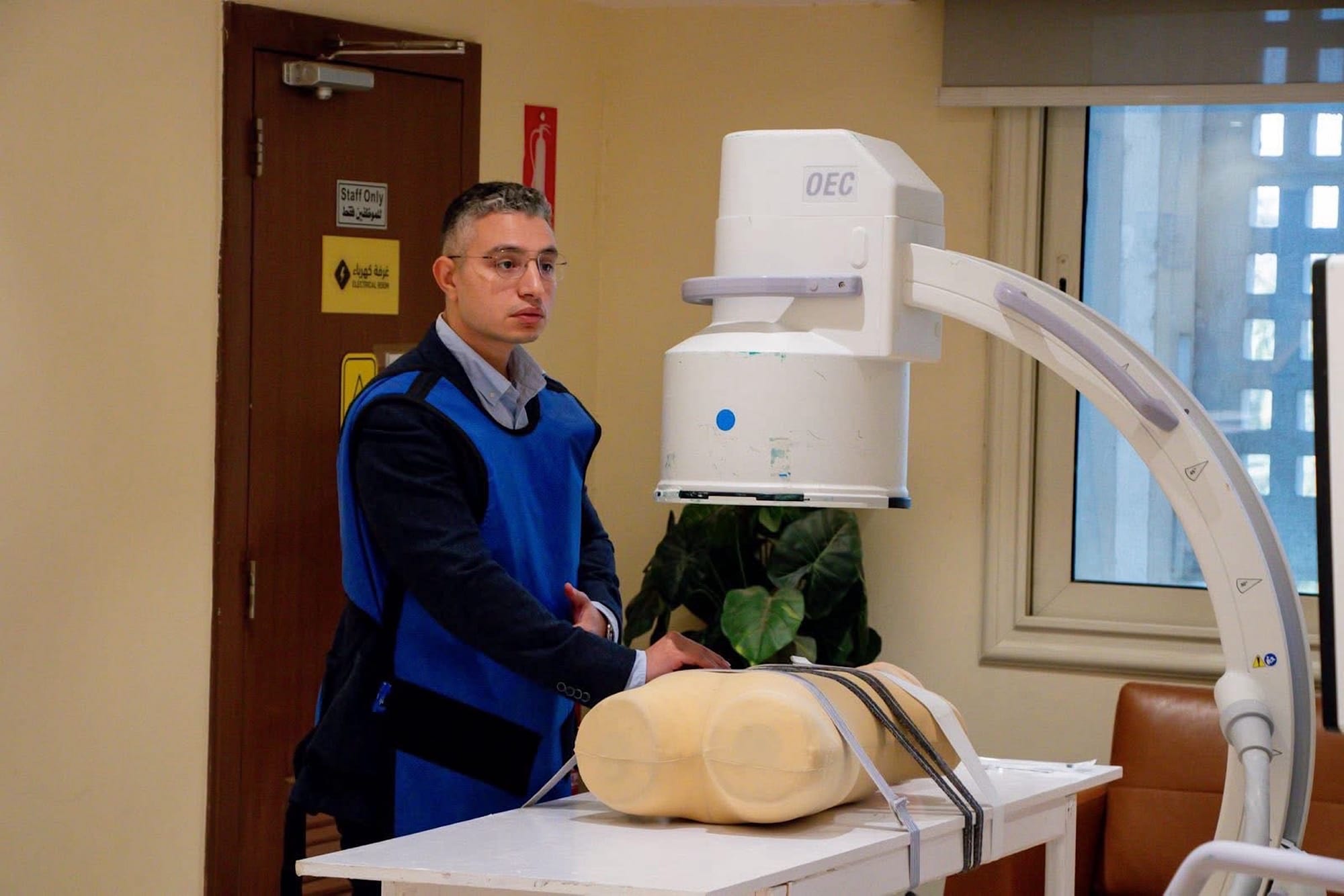
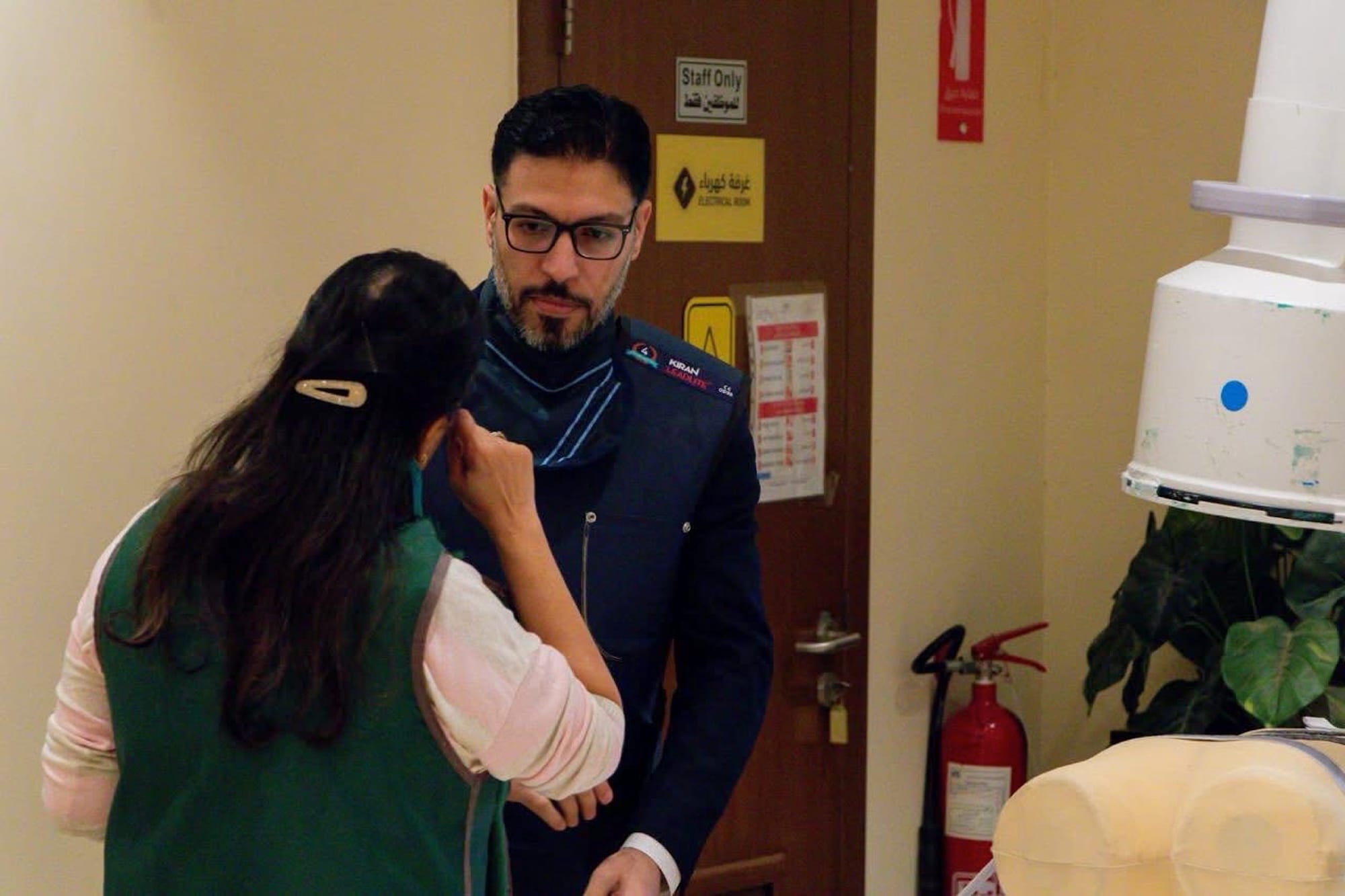
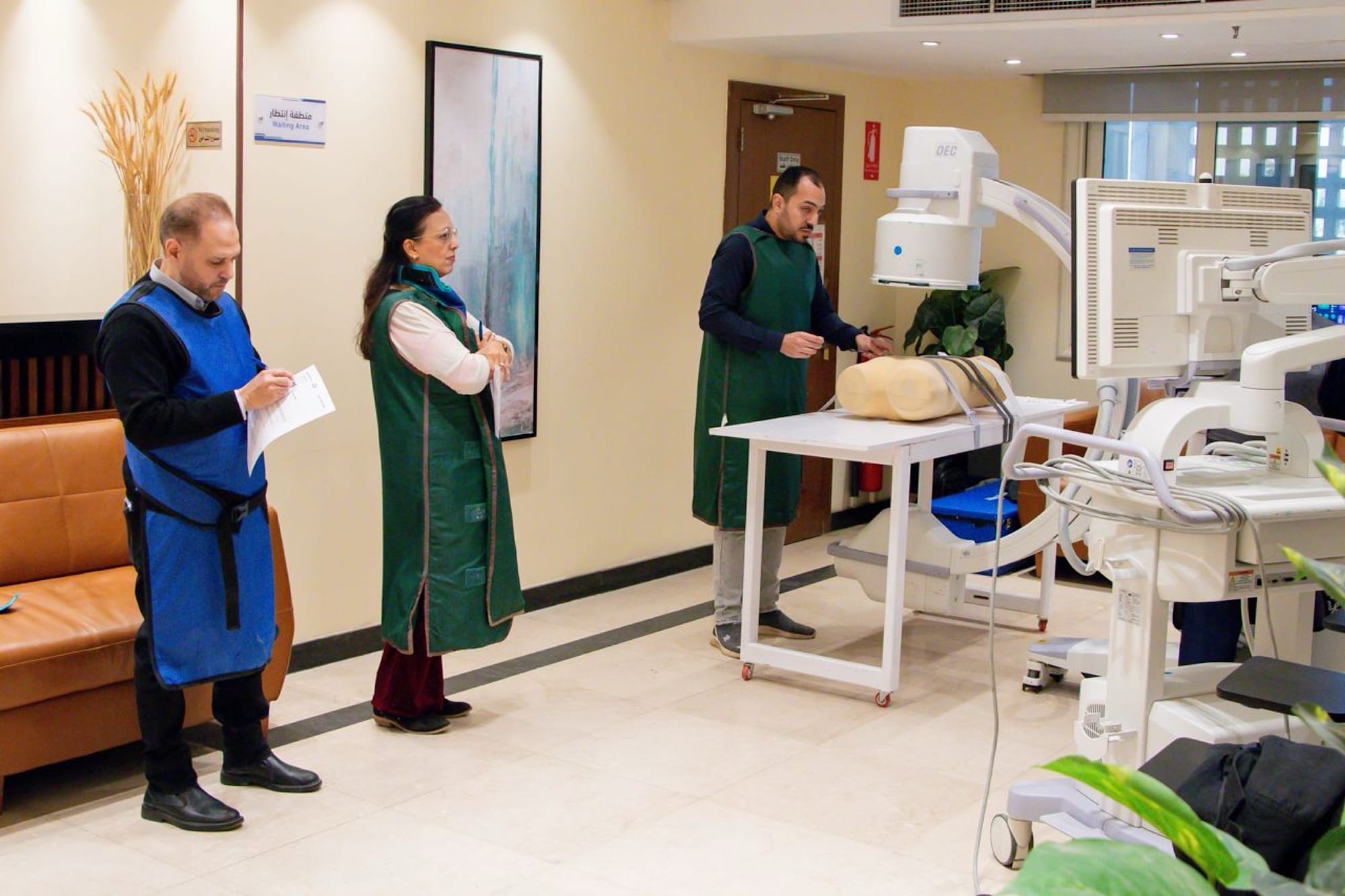
The examination framework of our fellowship has evolved significantly from its origins as a purely theoretical test. It has evolved to include a multimodal approach that combines theory, essays, multiple choice questions, and oral commentary. Last year marks further advancement with the introduction of a hands-on practical exam using a manikin (C-arm-guided), ensuring direct assessment of procedural competency.⁴
Curriculum Development: A Comparative Perspective
When viewed alongside the evolution of pain medicine education in the United States and Canada, where a 1-year fellowship model has been standard since 1991, with ongoing discussions about expanding duration and standardizing procedural competencies, Egypt’s 2-year fellowship represents a thoughtful adaptation of North American principles to our regional context.⁵ By incorporating multi-center rotations, dedicated pediatric oncology exposure, and a hands-on C-arm-guided practical exam, our curriculum directly addresses the very challenges that North American educators have identified: the need for competency-based assessment, diverse clinical exposure, and protected mentorship.
Evidence of Outcomes and Future Directions
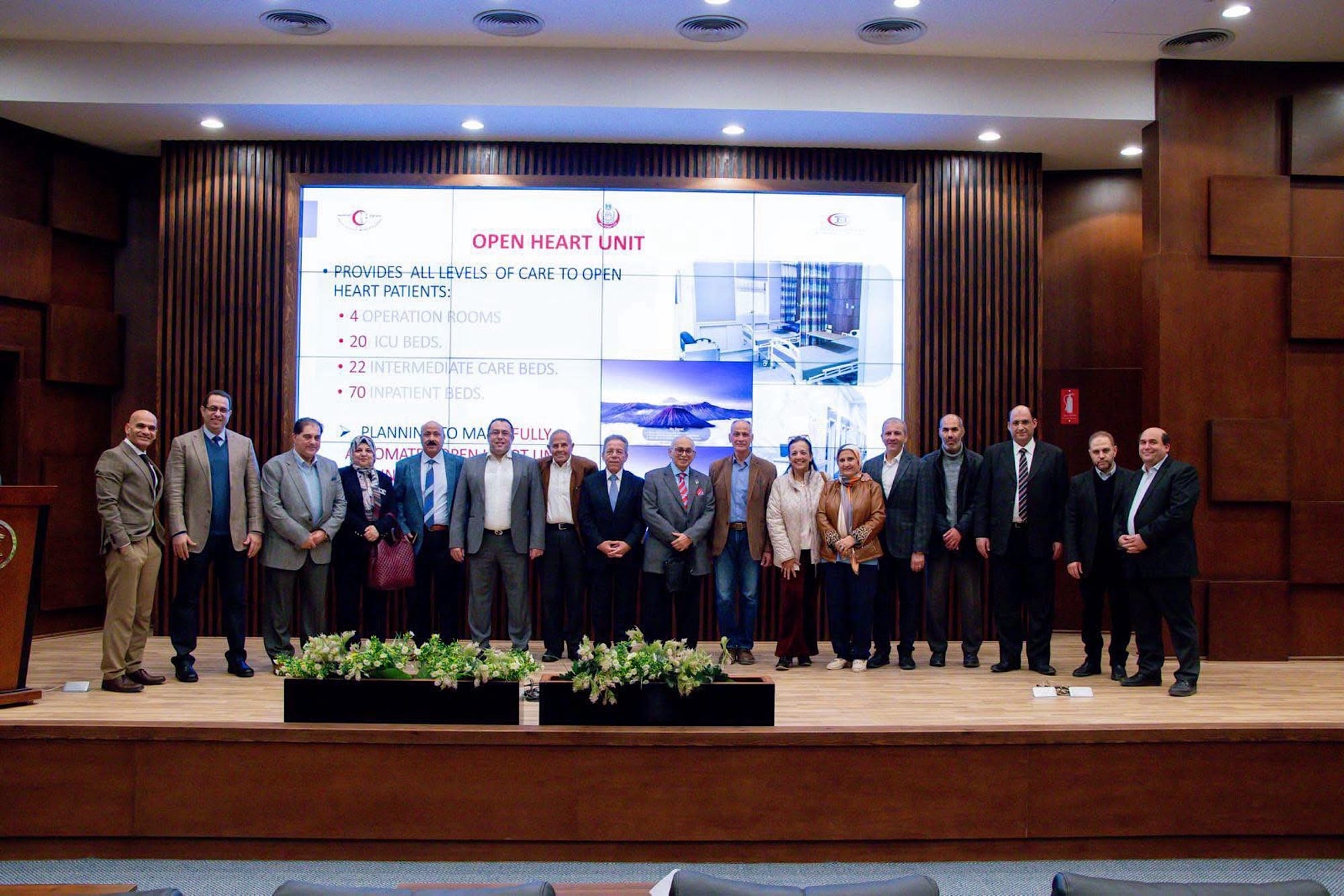
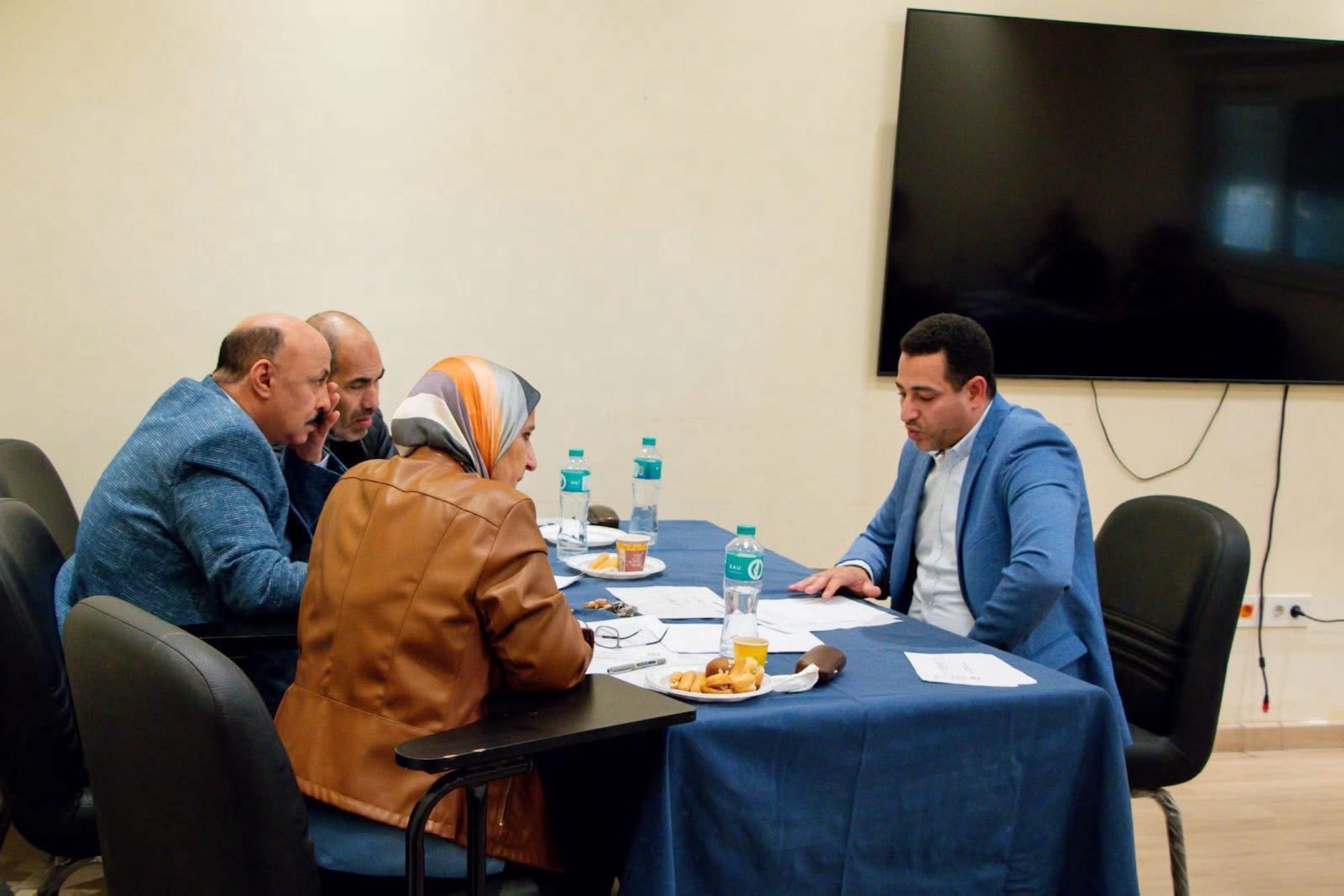
We acknowledge that formal long-term outcomes data from our recently restructured fellowship are not yet available. However, the structural and process measures detailed throughout this discussion, including supervisor-to-trainee ratios, minimum volume requirements, competency-based assessments, and simulation-based practical examinations (photos captured during our last updated board exam, December 2025), serve as surrogate markers of educational quality and patient safety. We have now initiated prospective cohort studies to track graduate practice patterns, complication rates, and patient outcomes, and we look forward to updating the literature with these formal results as they become available.
This systematic evolution represents far more than a curriculum update; it is a fundamental commitment to excellence, equity, and comprehensive care in a field long underserved. From the early pioneers who established one-on-one mentorship to today’s robust 2-year fellowship, the journey has been shaped by rigorous standards, advanced hands-on training, and deliberate growth.
Success is measured not only in numbers, but in the lives we touch. Each fellow who completes our program carries forward a legacy of compassionate, skilled care, ready to ease suffering, restore function, and offer hope to patients living with pain. The controlled scale of our program reflects not a limitation but a steadfast dedication to quality over quantity, ensuring that every graduate is truly prepared to make a difference.
As we look to the future, this mature fellowship stands as a cornerstone for pain medicine in Egypt and beyond, a quiet affirmation that chronic pain is not merely a symptom to be endured, but a specialized discipline to be mastered with skill and heart.

References
- Ayad AE. Opioid epidemics during the pandemic: further insights to the same story. J Opioid Manag 2021;17(1):9-12. https://doi.org/10.5055/jom.2021.0609
- Institute of Medicine. Relieving Pain in America: A Blueprint for Transforming Prevention, Care, Education, and Research. Washington, DC: National Academies Press; 2011.
- Gatchel RJ, McGeary DD, McGeary CA, et al. Interdisciplinary chronic pain management: past, present, and future. Am Psychol 2014;69(2):119-30. https://doi.org/10.1037/a0035514
- Abd-Elsayed A, Abdallah R, Falowski S, et al. Development of an educational curriculum for spinal cord stimulation. Neuromodulation 2020;23(5):555-61. https://doi.org/10.1111/ner.13142
- Aggarwal AK, Kohan L, Moeschler S, et al. Pain Medicine education in the United States: success, threats, and opportunities. Anesthesiology Clin 2023;41(2): 1-11. https://doi.org/10.1016/j.anclin.2023.03.004